
In the sacred Vedic tradition, Sri Rudram—the revered hymn glorifying Lord Rudra-Shiva—is traditionally preceded by the profound ritual of Laghunyasa. This sacred nyasa sanctifies the body and mind of the chanter, aligning the physical, subtle, and spiritual layers with the fierce yet compassionate presence of Rudra.
The true purpose of chanting Sri Rudram is to understand, awaken, and honor the consciousness of Sri Rudra within the mind, body, environment, and cosmos. It is not merely the creation of sacred vibrations, but the awakening of Shiva Consciousness itself. Nyasa plays a vital role in preparing the mind and body for this inner transformation.
Across India, the recitation of Śrī Rudram is preserved through a rich spectrum of traditional chanting styles, each rooted in distinct Vedic lineages (śākhās) as well as regional phonetic disciplines. These variations are not merely stylistic but reflect precise oral transmission systems developed over centuries. Broadly, they can be categorized into seven commonly recognized patterns—South Indian, North Indian, Eastern, Western, Mixed, Devotional, and Ritualistic (or just Plain) styles—each embodying unique tonal structures, precision, or deeper meditations, or ritual contexts. The unity in diversity is the essential teachings of Sri Rudram.
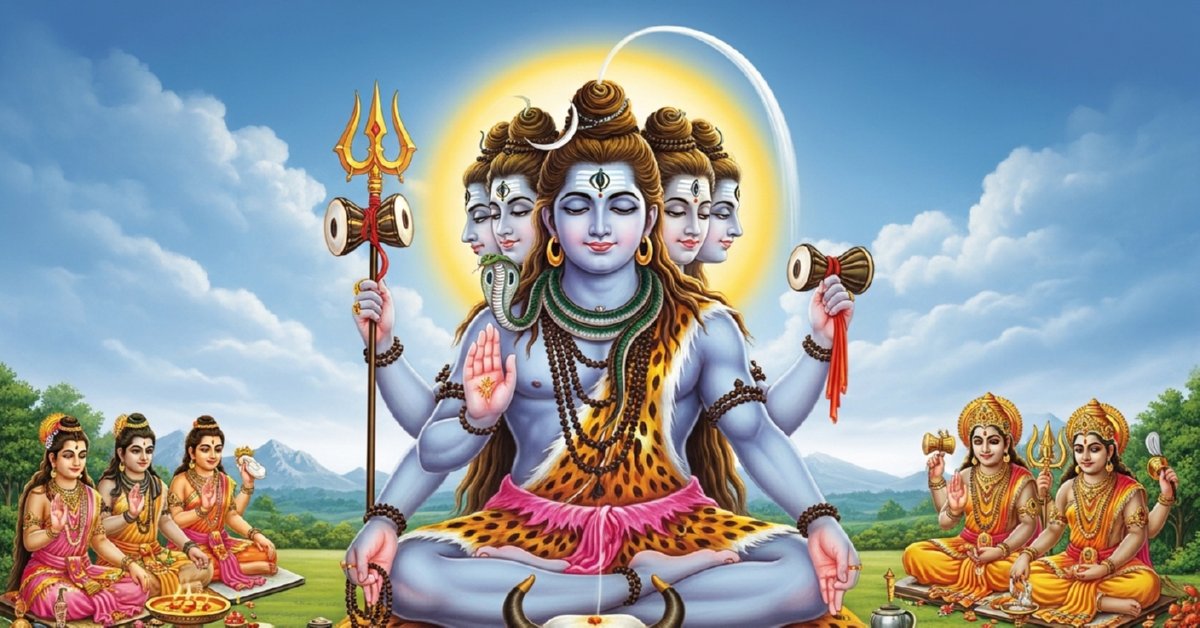
This article provides a comprehensive and structured overview of Sri Rudram Laghunyasa, beginning with its definition and moving into an analytical discussion on its significance within Vedic ritual systems. It systematically outlines the traditional structure of the practice, incorporating its contemplative dimension through Dhyana (meditation). The procedural components are examined in detail, including Anganyasa (body placement) and Shadanganyasa (sixfold nyasa), offering clarity on their functional roles in mantra embodiment. A methodical guide to execution is presented in the step-by-step practice section, followed by a comparative evaluation of Laghunyasa and Mahanyasa. The article further addresses practitioner eligibility in who can practice, alongside critical precautions and practical considerations. It concludes with an exploration of the key benefits and a dedicated FAQ section to resolve common queries with precision.
Diverse Chanting Styles of Sri Rudram
The popularity of Sri Rudram is due to its profound wisdom and diverse chanting styles. The South Indian (Taittirīya tradition) chanting style is known for its precise svara (intonation) and strict adherence to Vedic phonetics; the North Indian style often carries a slightly freer tonal flow; the Eastern tradition blends Vedic understandings, clarity of meanings, with melodic softness; and the Western recensions reflect localized adaptations.
The Mixed style combines influences across regions, while Devotional chanting emphasizes bhāva (feeling) over strict accents, and Ritualistic recitation focuses on clarity and correctness without elaborate modulation, or just the Plain style focuses on deep surrender. Each style is rich in its own way, preserving the mantra through generations.
Yet, the true beauty lies not in variation but in unity—all styles ultimately aim to invoke the same Rudra consciousness. In most traditions, this chanting is preceded by Laghunyasa, which prepares the practitioner by internally aligning body, breath, and awareness, transforming the chant from mere sound into a deeply embodied spiritual experience.
Sri Rudram teaches us, “नमः श्रव्याय च प्रतिश्रव्याय च” that truth is not confined to a single voice —it exists both as the primordial sound and in its countless resonances. Diversity in chanting is therefore not fragmentation, but the living expansion of the same sacred vibration.
What is Laghunyasa? Meaning, Purpose & Importance
Sanskrit Etymology
In this practice, you consciously invite and install divine cosmic energies — from Rudra to the Vedic deities — into specific parts of your body through mantra, touch, and intention. The result is a transformation: your body becomes a living sacred temple.
Instead of searching for God outside in idols or temples alone, Laghunyasa teaches you to experience divinity within your own being. This is the deeper purpose of the Nyasa tradition in Vedic practice.
- You prepare your body as a sacred, purified space
- You align your mind with higher divine awareness
- You become genuinely ready for powerful, effective mantra chanting
- You connect outer ritual with inner transformation
Laghunyasa is traditionally found in the Krishna Yajurveda tradition and precedes the recitation of the Sri Rudram (Namakam and Chamakam). It is also seen as the “light version” of the elaborate Mahanyasa.
Why Laghunyasa is Important Before Sri Rudram
Many practitioners chant Rudram directly without any preparatory Nyasa. While the words are sacred, the depth of experience and spiritual impact increases manifold when Laghunyasa is performed first. Here is why:
As the tradition states: “Without Nyasa, mantra recitation is like speaking into a disconnected phone. With Nyasa, the connection is established — and the divine hears.”
Without Laghunyasa, Rudram chanting is primarily external — sound vibrations in the air. With it, chanting becomes internal, embodied, and genuinely powerful.
Structure of Laghunyasa
Laghunyasa follows a beautifully logical three-part architecture. Each part builds upon the previous, creating a complete spiritual preparation:
This three-step progression gradually transforms the practitioner from an ordinary mental state into a fully aligned, spiritually prepared state — ready to receive and channel the immense energy of Sri Rudram.
The logic mirrors how a temple is consecrated: first, the intent is set (Dhyana); then the space is purified and dedicated (Anganyasa); then the divine energy is firmly installed and sealed (Shadanganyasa). Your body is that temple.
Dhyana: Meditation on Lord Rudra
The Dhyana shloka at the beginning of Laghunyasa is a detailed visualization of Rudra’s divine form. This is not ordinary imagination — it is a structured, sacred meditation that rewires your inner awareness toward the divine reality.
The Dhyana verse in Sanskrit describes Rudra as “sitting in the lotus position, adorned with the crescent moon, holding the trident and drum (damaru), with all weapons of protection, radiating peace.”
When you meditate on this form with genuine feeling and focus, something remarkable happens: your brainwave pattern shifts, your breath deepens, and your consciousness expands. You move from ordinary thinking-mind to divine awareness-mind. This is the entire purpose of Dhyana in Laghunyasa.
Anganyasa: Placing Divinity into the Body
Anganyasa (अंगन्यास — Anga = body part, Nyasa = placement) is the sacred process of touching specific parts of the body while chanting mantras, thereby installing divine energies at each location.
The philosophical foundation is profound: the human body is not merely biological matter — it is a microcosm of the entire universe. Every organ and body part corresponds to a cosmic deity and a natural force. Anganyasa makes this correspondence conscious and active.
By performing Anganyasa with genuine understanding and reverence, you are essentially saying: “I recognize that within my speech lives Agni. Within my sight lives Surya. Within my heart lives Shiva. I am not just a biological body — I am a living temple.”
This is why Anganyasa is said to make your body a sacred living temple (deha-devasthana). When you subsequently chant Rudram, you are not an outsider worshipping a distant God — you are the temple, worshipping the indwelling divinity.
Shadanganyasa: The Sixfold Sacred Installation
Shadanganyasa (षडंगन्यास — Shadanga = six limbs, Nyasa = placement) is the third and final preparatory step. Here, the energies of the great Vedic Yajnas (sacred fire rituals) are installed into the six primary points: the hands, heart, head, and the directional field around the practitioner.
Each of the six Yajnas represents a universal cosmic principle — and by installing these into the body, you connect your individual existence to the entire cosmic order (Rta). This creates a complete spiritual activation that makes Rudram chanting extraordinarily potent.
| Hand Part | Vedic Yajna | Cosmic Principle | Meaning |
|---|---|---|---|
| Thumbs | Agnihotra | Daily Fire Offering | Continuous purification and nourishment of life |
| Index Fingers | Darshapurnamasa | New/Full Moon Ritual | Cyclical renewal, lunar harmony, time-consciousness |
| Middle Fingers | Chaturmasya | Seasonal Rituals | Alignment with nature’s seasonal rhythms and abundance |
| Ring Fingers | Nirudhapasubandha | Sacred Offering Principle | Complete surrender and sacrifice of the ego-self |
| Little Fingers | Jyotishtoma | Light Ritual | Dispelling inner darkness; the illumination of consciousness |
| 🤲 Entire Hands | Sarva Yajnas | All Sacred Rituals | Your hands carry the energy of all cosmic worship |
After installing the Yajna energies in the fingers and hands, these same energies are then placed in three vital centers:
- Hridaya (Heart) — the seat of emotion, devotion, and Atman-consciousness
- Shirsha (Head/Crown) — the seat of intellect, wisdom, and cosmic connection
- Netra (Eyes) — the organs of perception, inner and outer vision
The process concludes with a six-directional sealing (East, West, North, South, Above, Below) using the sacred formula “Bhur Bhuvah Suvah” — the three cosmic realms — creating a complete spherical field of spiritual protection and activation around the practitioner.
At this point, the practitioner is fully prepared — body consecrated, mind focused, energy activated, and directions sealed. Sri Rudram chanting can now begin with maximum potency.
Step-by-Step Laghunyasa Practice Guide
Follow these steps in sequence. If you are a beginner, practice each step separately before combining them into a smooth, flowing session. Authenticity of feeling matters more than speed of completion.
ध्यानम्
| Sl. No. | Sanskrit Mantra (Devanagari + IAST for easy reading) |
Meaning |
|---|---|---|
| 1 | ॐ अथात्मानः शिवात्मानं श्रीरुद्ररूपं ध्यायेत् ॥ oṃ athātmānaḥ śivātmānaṃ śrīrudrarūpaṃ dhyāyet || | Meditate on one’s own Self as Śiva, in the form of Śrī Rudra. |
| 2 | शुद्धस्फटिकसङ्काशं त्रिनेत्रं पञ्चवक्त्रम् । गङ्गाधरं दशभुजं सर्वाभरणभूषितम् ॥ नीलग्रीवं शशाङ्काङ्कं नागयज्ञोपवीतिनम् । व्याघ्रचर्मोत्तरीयं च वरेण्यमभयप्रदम् ॥ क्रमण्डल्वक्षसूत्राणां धारिणं शूलपाणिनम् । ज्वलन्तं पिङ्गलजटाशिखामुद्योतधारिणम् ॥ वृषस्कन्धसमारूढम् उमादेहार्धधारिणम् । अमृतेनाहुतं शान्तं दिव्यभोगसमन्वितम् ॥ दिग्देवतासमायुक्तं सुरासुरनमस्कृतम् । नित्यं च शाश्वतं शुद्धं ध्रुवमक्षरमव्ययम् ॥ सर्वव्यापिनमीशानं रुद्रं वै विश्वरूपिणम् । एवं ध्यात्वा द्विजः सम्यक् ततो यजनमारभेत् ॥ śuddhasphaṭikasaṅkāśaṃ trinetrāṃ pañcavaktram | gaṅgādharaṃ daśabhujaṃ sarvābharaṇabhūṣitam || nīlagrīvaṃ śaśāṅkāṅkaṃ nāgayajñopavītinam | vyāghracarmottarīyaṃ ca vareṇyam abhayapradam || kramaṇḍalvakṣasūtrāṇāṃ dhāriṇaṃ śūlapāṇinam | jvalantaṃ piṅgalajaṭāśikhām udyotadhāriṇam || vṛṣaskandhasamārūḍham umādehārdhadhāriṇam | amṛtenāhutaṃ śāntaṃ divyabhogasamanvitam || digdevatāsamāyuktaṃ surāsuranamaskṛtam | nityaṃ ca śāśvataṃ śuddhaṃ dhruvam akṣaram avyayam || sarvavyāpinam īśānaṃ rudraṃ vai viśvarūpiṇam | evaṃ dhyātvā dvijaḥ samyak tato yajanam ārabhet || |
Visualize Rudra as pure like crystal, three-eyed, five-faced, bearing Gaṅgā, ten-armed, adorned with all ornaments; blue-throated, moon-crested, wearing serpent as sacred thread and tiger skin, bestowing fearlessness; holding rosary and trident, radiant with fiery matted hair; seated on the bull, united with Umā; peaceful, filled with divine bliss; surrounded by deities, worshipped by all beings; eternal, pure, imperishable, all-pervading, the cosmic form. Meditating thus, one should begin the ritual. |
अङ्गन्यासः
| Sl. No. | Sanskrit Mantra | Meaning |
|---|---|---|
| 1 | ॐ प्रजमने ब्रह्मा तिष्ठतु । पादयोर्विष्णुस्तिष्ठतु । हस्तयोर्हरस्तिष्ठतु । बाहोरिन्द्रस्तिष्ठतु । जठरेऽग्निस्तिष्ठतु । हृदये शिवस्तिष्ठतु । कण्ठे वसवस्तिष्ठन्तु । वक्रे सरस्वती तिष्ठतु । नासिकयोर्वायुस्तिष्ठतु । नयनयोश्चन्द्रादित्यौ तिष्ठताम् । कर्णयोरश्विनौ तिष्ठताम् । ललाटे रुद्रास्तिष्ठन्तु । मूर्ध्यादित्यास्तिष्ठन्तु । शिरसि महादेवस्तिष्ठतु । शिखायां वामदेवस्तिष्ठतु । पृष्ठे पिनाकी तिष्ठतु । पुरतः शूली तिष्ठतु । पार्श्वयोः शिवाशङ्करौ तिष्ठताम् । सर्वतो वायुस्तिष्ठतु । ततो बहिः सर्वतोऽग्निज्वालामाला परिवृतस्तिष्ठतु । सर्वेष्वङ्गेषु सर्वा देवता यथास्थानं तिष्ठन्तु । मा रक्षन्तु । सर्वान् महाजनान् रक्षन्तु ॥ oṃ prajamane brahmā tiṣṭhatu | pādayor viṣṇus tiṣṭhatu | hastayor haras tiṣṭhatu | bāhor indras tiṣṭhatu | jaṭhare’gnis tiṣṭhatu | hṛdaye śivas tiṣṭhatu | kaṇṭhe vasavas tiṣṭhantu | vakre sarasvatī tiṣṭhatu | nāsikayor vāyus tiṣṭhatu | nayanayoś candrādityau tiṣṭhatām | karṇayor aśvinau tiṣṭhatām | lalāṭe rudrās tiṣṭhantu | mūrdhyādityās tiṣṭhantu | śirasi mahādevas tiṣṭhatu | śikhāyāṃ vāmadevas tiṣṭhatu | pṛṣṭhe pinākī tiṣṭhatu | purataḥ śūlī tiṣṭhatu | pārśvayoḥ śivāśaṅkarau tiṣṭhatām | sarvato vāyus tiṣṭhatu | tato bahiḥ sarvato’gnijvālāmālā parivṛtas tiṣṭhatu | sarveṣv aṅgeṣu sarvā devatā yathāsthānaṃ tiṣṭhantu | mā rakṣantu | sarvān mahājanān rakṣantu || | May Brahmā abide in creation, Viṣṇu in the feet, Hara in the hands, Indra in the arms, Agni in the abdomen, Śiva in the heart, and all deities in their respective body parts. May they protect the body from all sides, surrounded by fire, granting complete protection. |
| 2 | ॐ अग्निमै वाचि श्रितः । वाग् युदये । हृदयं मयि । अहममृते । अमृतं ब्रह्मणि । वायुर्मे प्राणे श्रितः । प्राणो हृदये । हृदयं मयि । अहममृते । अमृतं ब्रह्मणि । सूर्यो मे चक्षुषि श्रितः । चक्षुर् हृदये । हृदयं मयि । अहममृते । अमृतं ब्रह्मणि । चन्द्रमा मे मनसि श्रितः । मनो हृदये । हृदयं मयि । अहममृते । अमृतं ब्रह्मणि । दिशो मे श्रोत्रे श्रिताः । श्रोत्रं हृदये । हृदयं मयि । अहममृते । अमृतं ब्रह्मणि । आपो मे रेतसि श्रिताः । रेतो हृदये । हृदयं मयि । अहममृते । अमृतं ब्रह्मणि । पृथिवी मे शरीरे श्रिता । शरीरं हृदये । हृदयं मयि । अहममृते । अमृतं ब्रह्मणि । ओषधिवनस्पतयो मे लोमसु श्रिताः । लोमानि हृदये । हृदयं मयि । अहममृते । अमृतं ब्रह्मणि । इन्द्रो मे बले श्रितः । बलं हृदये । हृदयं मयि । अहममृते । अमृतं ब्रह्मणि । पर्जन्यो मे मूर्ध्नि श्रितः । मूर्धा हृदये । हृदयं मयि । अहममृते । अमृतं ब्रह्मणि । ईशानो मे मन्यौ श्रितः । मन्युर् हृदये । हृदयं मयि । अहममृते । अमृतं ब्रह्मणि । आत्मा म आत्मनि श्रितः । आत्मा हृदये । हृदयं मयि । अहममृते । अमृतं ब्रह्मणि । पुनर्म आत्मा पुनरायुरागात् । पुनः प्राणः पुनराकूतमागात् । वैश्वानरो रश्मिभिर् वावृधानः । अन्तस्तिष्ठत्वमृतस्य गोपाः ॥oṃ agnime vācī śritaḥ | vāg yudaye | hṛdayaṃ mayi | aham amṛte | amṛtaṃ brahmaṇi | vāyur me prāṇe śritaḥ | prāṇo hṛdaye | hṛdayaṃ mayi | aham amṛte | amṛtaṃ brahmaṇi | sūryo me cakṣuṣi śritaḥ | cakṣur hṛdaye | hṛdayaṃ mayi | aham amṛte | amṛtaṃ brahmaṇi | candramā me manasi śritaḥ | mano hṛdaye | hṛdayaṃ mayi | aham amṛte | amṛtaṃ brahmaṇi | diśo me śrotre śritāḥ | śrotraṃ hṛdaye | hṛdayaṃ mayi | aham amṛte | amṛtaṃ brahmaṇi | āpo me retasi śritāḥ | reto hṛdaye | hṛdayaṃ mayi | aham amṛte | amṛtaṃ brahmaṇi | pṛthivī me śarīre śritā | śarīraṃ hṛdaye | hṛdayaṃ mayi | aham amṛte | amṛtaṃ brahmaṇi | oṣadhivanaspatayo me lomasu śritāḥ | lomāni hṛdaye | hṛdayaṃ mayi | aham amṛte | amṛtaṃ brahmaṇi | indro me bale śritaḥ | balaṃ hṛdaye | hṛdayaṃ mayi | aham amṛte | amṛtaṃ brahmaṇi | parjanyo me mūrdhni śritaḥ | mūrdhā hṛdaye | hṛdayaṃ mayi | aham amṛte | amṛtaṃ brahmaṇi | īśāno me manyau śritaḥ | manyur hṛdaye | hṛdayaṃ mayi | aham amṛte | amṛtaṃ brahmaṇi | ātmā mā ātmani śritaḥ | ātmā hṛdaye | hṛdayaṃ mayi | aham amṛte | amṛtaṃ brahmaṇi | punar mā ātmā punar āyur āgāt | punaḥ prāṇaḥ punar ākūtam āgāt | vaiśvānaro raśmibhir vāvṛdhānaḥ | antas tiṣṭhatv amṛtasya gopāḥ || | Agni resides in speech, Vāyu in prāṇa, Sun in the eyes, Moon in the mind, directions in hearing, waters in vitality, earth in the body, herbs in hair, Indra in strength, rain in the head, Īśāna in will, and the Self in the Self. All merge into the heart, into immortality and Brahman. May life-force and awareness be restored and sustained within. |
महामन्त्र न्यास (षडङ्ग न्यासः)
| Sl. No. | Sanskrit Mantra | Meaning |
|---|---|---|
| 1 | ॐ अग्निहोत्रात्मने अङ्गुष्ठाभ्यां नमः । oṃ agnihotrātmane aṅguṣṭhābhyāṃ namaḥ | | Salutation to the Agnihotra principle in the thumbs. |
| 2 | ॐ दर्शपूर्णमासात्मने तर्जनीभ्यां नमः । oṃ darśapūrṇamāsātmane tarjanībhyāṃ namaḥ | | Salutation to the new and full moon sacrifice in the index fingers. |
| 3 | ॐ चातुर्मास्यात्मने मध्यमाभ्यां नमः । oṃ cāturmāsyātmane madhyamābhyāṃ namaḥ | | Salutation to the seasonal sacrifice in the middle fingers. |
| 4 | ॐ निरूढपशुबन्धात्मने अनामिकाभ्यां नमः । oṃ nirūḍhapaśubandhātmane anāmikābhyāṃ namaḥ | | Salutation to the bound-offering sacrifice in the ring fingers. |
| 5 | ॐ ज्योतिष्टोमात्मने कनिष्ठिकाभ्यां नमः । oṃ jyotiṣṭomātmane kaniṣṭhikābhyāṃ namaḥ | | Salutation to the Jyotiṣṭoma sacrifice in the little fingers. |
| 6 | ॐ सर्वक्रत्वात्मने करतलकरपृष्ठाभ्यां नमः ॥ oṃ sarvakratvātmane karatalakarapṛṣṭhābhyāṃ namaḥ || | Salutation to all sacrifices in the palms and back of hands. |
| 7 | ॐ अग्निहोत्रात्मने हृदयाय नमः । oṃ agnihotrātmane hṛdayāya namaḥ | | Agnihotra principle established in the heart. |
| 8 | ॐ दर्शपूर्णमासात्मने शिरसे स्वाहा । oṃ darśapūrṇamāsātmane śirase svāhā | | Darśa–Pūrṇamāsa principle established in the head. |
| 9 | ॐ चातुर्मास्यात्मने शिखायै वषट् । oṃ cāturmāsyātmane śikhāyai vaṣaṭ | | Cāturmāsya principle established in the śikhā. |
| 10 | ॐ निरूढपशुबन्धात्मने कवचाय हुम् । oṃ nirūḍhapaśubandhātmane kavacāya hum | | Protective armour of the sacrifice established. |
| 11 | ॐ ज्योतिष्टोमात्मने नेत्रत्रयाय वौषट् । oṃ jyotiṣṭomātmane netratrayāya vauṣaṭ | | Jyotiṣṭoma principle established in the three eyes. |
| 12 | ॐ सर्वक्रत्वात्मने अस्त्राय फट् । oṃ sarvakratvātmane astrāya phaṭ | | All-sacrifice principle becomes the protective weapon. |
| 13 | भूर्भुवस्सुवरोमिति दिग्बन्धः ॥ bhūrbhuvas suvarom iti digbandhaḥ || | Sealing all directions with the three worlds (protective enclosure). |
Laghunyasa vs Mahanyasa: Key Differences
Both Laghunyasa and Mahanyasa are preparatory Nyasa rituals for Sri Rudram, but they differ significantly in scope, duration, and depth. Understanding the difference helps you choose the appropriate practice for your level and occasion.
| Aspect | 🔱 Laghunyasa | 🕉 Mahanyasa |
|---|---|---|
| Meaning | Brief / Light Nyasa | Great / Elaborate Nyasa |
| Duration | 10–20 minutes | 45–90 minutes |
| Complexity | Moderate — accessible | High — requires training |
| For Whom | Daily practitioners, beginners, moderate practitioners | Advanced practitioners, special occasions, trained priests |
| Parts Covered | Dhyana, Anganyasa, Shadanganyasa | Extensive Nyasa across all body points, mantras, and directions |
| When Used | Daily Rudram recitation, regular puja | Ekadasha Rudram, Rudrabhisheka, Maha Puja events |
| Mantras | Fewer, focused | Extensive — hundreds of nyasa mantras |
| Efficacy | Highly effective for regular practice | Maximum efficacy for special events |
Who Can Practice Laghunyasa?
One of the most common questions is: “Is Laghunyasa only for Brahmins or those with Vedic initiation?” No, it is for everyone, who has deep love and respect for Sri Rudram. Traditional practice emphasizes learning from a qualified guru and following one’s tradition. That said, the practice has been made accessible to sincere devotees across backgrounds in the modern era.
⚠️ Precautions, Guidelines & Best Practices
To ensure your Laghunyasa practice is safe, authentic, and maximally effective, keep these important guidelines in mind:
- Learn meanings carefully: Sanskrit mantras have specific meaning,
- You may also learn intonation: (Udatta, Anudatta, Svarita). correct pronunciation is good, but devotion and meanings are primary.
- Do not perform when unwell or impure: Avoid practice during illness, extreme fatigue, or emotional disturbance. The quality of your inner state directly affects the quality of Nyasa.
- Maintain cleanliness: Physical cleanliness (bathing or at minimum washing hands, feet, and face) is a prerequisite. The body must be externally clean to receive inner purification.
- Avoid disturbances: Practice in a quiet, clean space. Silence your phone. Inform family members not to disturb you. External disturbance during Nyasa breaks the energetic continuity.
- Respect the tradition: Learn the meaning and purpose of each step. Performing Nyasa without understanding is significantly less effective. Knowledge + practice together create the complete result.
- Consistency over intensity: A daily 15-minute Laghunyasa practice is vastly more beneficial than an occasional hour-long session. Regularity builds cumulative spiritual momentum.
- Use authentic texts: Rely on traditional, authentic texts or teachers for the mantras and their order. Many simplified or incorrectly transcribed versions circulate online — verify before using.
Benefits of Practicing Laghunyasa
The benefits of Laghunyasa are experienced at multiple levels — physical, psychological, energetic, and spiritual. These are not merely theoretical claims but lived experiences reported by practitioners across generations:
With sincere, regular practice over weeks and months, Laghunyasa creates a progressively deepening sense of calm, clarity, inner stability, and authentic connection to the divine. These are benefits that no external circumstance can take away.
Frequently Asked Questions About Laghunyasa
Can complete beginners practice Laghunyasa?
Yes, beginners can absolutely learn and practice Laghunyasa. It is specifically designed to be more accessible than the elaborate Mahanyasa. Start by learning the Dhyana verse and its meaning, then gradually add Anganyasa and Shadanganyasa. Ideally, attend one class or session with a knowledgeable teacher who can guide your pronunciation and technique. Many temples offer free guidance for sincere learners.
Is Laghunyasa strictly necessary before chanting Rudram?
From a traditional Vedic perspective, Nyasa is considered an essential preparatory ritual — not optional. The tradition teaches that mantras are far more effective when the body and mind are properly prepared. That said, if circumstances make Laghunyasa impossible (travel, illness, time constraints), a brief moment of genuine Dhyana and heartfelt sankalpa can serve as a simplified preparation. Regularity and sincerity matter most.
How long does Laghunyasa take to complete?
For an experienced practitioner, Laghunyasa takes approximately 10–15 minutes when done with appropriate care. For beginners who are still learning the mantras and sequence, it may take 20–30 minutes initially. This time decreases naturally as the practice becomes more familiar. Never rush — the quality of attention is more important than the speed of completion.
What is the exact difference between Laghunyasa and Mahanyasa?
Laghunyasa is the abbreviated, accessible version of Nyasa — covering the essential steps of Dhyana, Anganyasa, and Shadanganyasa in a compact form. Mahanyasa is the full, elaborate version that includes many more body points, mantras, deities, and cosmic correspondences — and can take 45–90 minutes to complete. Mahanyasa is typically performed for special occasions like Ekadasha Rudra Abhisheka or major pujas. For daily Rudram recitation, Laghunyasa is the standard and entirely sufficient practice.
Can I skip Laghunyasa and chant Rudram directly?
Technically, you can — and many people do. But the difference in experience and impact is significant. Think of it this way: you can eat food without washing your hands, but washing your hands makes the experience cleaner and safer. Laghunyasa “washes” the mind and body and prepares them to receive the immense vibrational energy of Rudram. Chanting without it is not wrong — but with it, the practice becomes markedly deeper, more focused, and more transformative.
Can women practice Laghunyasa?
Different traditional schools have different views on this. In many South Indian Shaiva traditions, women are encouraged to participate in Rudra-related worship with appropriate adjustments. Several contemporary Vedic scholars and teachers affirm that the divine energy of Rudra is available to all sincere seekers regardless of gender. It is best to consult with a teacher from your specific tradition for guidance that aligns with your practice lineage.
Do I need to know Sanskrit to practice Laghunyasa?
Knowing Sanskrit helps significantly — both for correct pronunciation and for genuine understanding. However, you do not need to be fluent in Sanskrit to begin. Start by learning the phonetics of each mantra carefully (using transliteration guides and audio references). Then, learn the basic meaning of what you are chanting. Even a simple understanding like “I am placing the energy of the Sun in my eyes” transforms mechanical repetition into meaningful, effective practice.
At what time of day is Laghunyasa most effective?
The traditional recommendation is Brahma Muhurta — approximately 90 minutes before sunrise. This is considered the most spiritually potent time of day when the mind is naturally calm and the atmosphere is charged with sattvic (pure) energy. However, if Brahma Muhurta is not practical for your lifestyle, early morning (before or just after sunrise) is excellent. Consistency of timing is more important than achieving the theoretically perfect time — a regular evening practice is far better than an irregular Brahma Muhurta practice.
How long does it take to see or feel results from regular Laghunyasa practice?
Most practitioners begin noticing subtle but real changes within 2–4 weeks of daily practice: increased calmness, better concentration during chanting, a sense of clarity after sessions, and gradual reduction in mental restlessness. Deeper benefits — genuine inner peace, energetic sensitivity, and devotional depth — typically emerge over 3–6 months of sincere, regular practice. The tradition speaks of 40-day dedicated practice cycles (Deeksha) as particularly transformative.
Conclusion: Begin Your Laghunyasa Journey Today
Laghunyasa is not a mere ritual formality — it is a profound, time-tested system for transforming your body into a sacred temple and your chanting from mechanical sound into genuine communion with the divine.
Whether you are a seasoned devotee or a curious beginner, starting or deepening your Laghunyasa practice will fundamentally change how you experience Sri Rudram — and indeed, how you experience yourself.
Begin slowly. Begin sincerely. And let the ancient wisdom of Laghunyasa guide you inward.
🙏 Om Namah Shivaya — May Lord Rudra bless your practice.