
In 2005, Sri Amit Ray introduced the concept of 114 chakras, a groundbreaking discovery made during his deep meditations in the Himalayas. Through his profound spiritual exploration, he identified these 114 energy centers, shedding new light on the intricate dynamics of human consciousness and inner potential. This revelation marked a significant milestone in the study of chakras, expanding the traditional understanding of energy systems.
114 Chakras Explained
You may already know about the 7 basic chakras, and you may have heard of the 4 others: the Earth Star Chakra, the Higher Heart Chakra, the Soul Star Chakra, and the Universal Chakra. But there is a fascinating world beyond these, as the 114 chakras cover the whole of human experience and go deep into the realms of energy and consciousness. But focusing on just the seven spinal chakras are not sufficient to activate the 114 chakras.
Powerful energy centers—such as those in the liver and kidneys—play crucial roles in healing, emotional regulation, cognitive flexibility, and spiritual development, often more powerful than the traditional seven chakras. Ignoring them may result in imbalances or incomplete energetic alignment.
Activating all 114 chakras requires a structured and holistic approach. This includes precise mantra vibrations to influence neural resonance, meditation to cultivate awareness, pranayama (breath control) to regulate the autonomic nervous system, herbal supports for neurochemical balance, disciplined fasting to reset physiological rhythms, and adherence to the practices of Yama and Niyama of Yoga for higher chakras awakening. Together, these elements create a scientifically grounded and spiritually integrated pathway to optimal well-being.
Balancing the 114 chakras requires a systematic training. The precise sequence of chakra activation holds the key to healing, harmonization, and the awakening of Kundalini energy. Because chakras are not the junction points of the physical body. To balance the 114 chakras, you have to explore the deeper dimensions of your energy bodies. You need to learn every detail of each chakra. The sequence of awakening the chakras is the key for healing, balancing and kundalini awakening.
As you progress on this path of chakra balancing, you will begin to notice the integration of your multi-dimensional self. The harmony that flows through your energy bodies will expand your consciousness, granting you a deeper connection to the universe.
Meditation, Mantra, breathwork, yoga, and other spiritual practices play a crucial role in fostering a deeper connection with the chakras. By gaining comprehensive knowledge of each chakra, you can identify and address any imbalances or blockages that may be hindering your overall energy flow.
- Soma Chakras: Near the crown, radiates cooling bliss and hormonal harmony.
- Bindu Chakra: Subtle point below Soma, condenses consciousness into stillness.
- Indu Chakra: Upper occipital, bridges intuition and reflective states.
- Usha Chakra: Frontal field, awakens creativity and higher perception.
- Ratri Chakras: Pineal-linked, governs melatonin and nocturnal awareness.
- Gut–Brain Axis
- Hypothalamic–Pituitary–Adrenal (HPA) Axis
- Hypothalamic–Pituitary–Gonadal (HPG) Axis
- Renin–Angiotensin–Aldosterone–Adrenergic (RAAA) Axis
- Heart–Thymic Axis
- Ray, Amit. The Science of 114 Chakras in Human Body: A Guidebook. Inner Light Publishers, 2015. ISBN: 9788191026930.
- Ray, Amit. The Secrets of 114 Chakras. Inner Light Publishers, 2005. ISBN: 9788197351099.
- Ray, Amit. Ray 114 Chakra System: Names, Locations and Functions. Inner Light Publishers, 2019. ISBN: 9789382123538.
- Ray, Amit. "Sri Amit Ray’s 8 Matrika Chakras of the Gut–Brain Axis | Ray 114 Chakra System." Yoga and Ayurveda Research, 4.12 (2025): 69-71. https://sriamitray.com/teachings/sri-amit-ray-8-gut-brain-axis/.
- Ray, Amit. "Sri Amit Ray’s HPA Axis Chakras (Stress–Adaptation Axis) | Ray 114 Chakra System." Compassionate AI, 4.12 (2025): 69-71. https://sriamitray.com/teachings/sri-amit-ray-hpa-axis-chakras-stress/.
- Ray, Amit. "Sri Amit Ray’s HPG Axis Chakras (Reproductive–Creative Axis) | Ray 114 Chakra System." Yoga and Ayurveda Research, 4.12 (2025): 69-71. https://sriamitray.com/teachings/hpg-axis-chakras/.
- Ray, Amit. "Sri Amit Ray’s Heart–Thymic Chakras: The Immunity, Coherence, and Compassion Axis." Compassionate AI, 4.12 (2025): 84-86. https://sriamitray.com/teachings/heart-thymic-chakras-immunity-compassion-ray-114/.
- Ray, Amit. "Sri Amit Ray’s RAAA Axis Chakras – Circulatory–Regulatory Axis Chakras." Yoga and Ayurveda Research, 4.12 (2025): 84-86. https://sriamitray.com/teachings/raaa-axis-chakras-circulatory-intelligence-ray-114/.
- Ray, Amit. "The Five Axis Power Chakras of Sri Amit Ray: A Unified Science of Solar Energy, Mitochondria, and Consciousness." Compassionate AI, 1.1 (2026): 51-53. https://sriamitray.com/teachings/five-axis-power-chakras-sri-amit-ray/.
- Brain development and synaptic pruning
- Motivation, reward, and goal-directed behavior
- Attachment, bonding, and pair formation
- Identity formation and emotional memory
- Regulation of reproductive hormones and cycles
- Translation of hormonal signals into motivation and desire
- Sexual identity and self-image formation
- Bonding, attachment, and pair-bond neurochemistry
- Creative intelligence and generative drive
- Storage and resolution of reproductive trauma
- Neuroplastic modulation by sex steroids
- Intergenerational memory and epigenetic signaling
- Gut–Brain Chakras (nutritional and emotional inputs)
- HPA Axis Chakras (stress modulation)
- Heart–Thymic Chakras (bonding and immunity)
- Ray, Amit. The Science of 114 Chakras in Human Body: A Guidebook. Inner Light Publishers, 2015. ISBN: 9788191026930.
- Ray, Amit. The Secrets of 114 Chakras. Inner Light Publishers, 2005. ISBN: 9788197351099.
- Ray, Amit. Ray 114 Chakra System: Names, Locations and Functions. Inner Light Publishers, 2019. ISBN: 9789382123538.
- Ray, Amit. "Sri Amit Ray’s 8 Matrika Chakras of the Gut–Brain Axis | Ray 114 Chakra System." Yoga and Ayurveda Research, 4.12 (2025): 69-71. https://sriamitray.com/teachings/sri-amit-ray-8-gut-brain-axis/.
- Ray, Amit. "Sri Amit Ray’s HPA Axis Chakras (Stress–Adaptation Axis) | Ray 114 Chakra System." Compassionate AI, 4.12 (2025): 69-71. https://sriamitray.com/teachings/sri-amit-ray-hpa-axis-chakras-stress/.
- Ray, Amit. "Sri Amit Ray’s HPG Axis Chakras (Reproductive–Creative Axis) | Ray 114 Chakra System." Yoga and Ayurveda Research, 4.12 (2025): 69-71. https://sriamitray.com/teachings/hpg-axis-chakras/.
- Ray, Amit. "Sri Amit Ray’s Heart–Thymic Chakras: The Immunity, Coherence, and Compassion Axis." Compassionate AI, 4.12 (2025): 84-86. https://sriamitray.com/teachings/heart-thymic-chakras-immunity-compassion-ray-114/.
- Ray, Amit. "Sri Amit Ray’s RAAA Axis Chakras – Circulatory–Regulatory Axis Chakras." Yoga and Ayurveda Research, 4.12 (2025): 84-86. https://sriamitray.com/teachings/raaa-axis-chakras-circulatory-intelligence-ray-114/.
- Ray, Amit. "The Five Axis Power Chakras of Sri Amit Ray: A Unified Science of Solar Energy, Mitochondria, and Consciousness." Compassionate AI, 1.1 (2026): 51-53. https://sriamitray.com/teachings/five-axis-power-chakras-sri-amit-ray/.
- Sex steroids are potent immunomodulators:
- Estrogens generally enhance humoral immunity and suppress cell-mediated immunity (contributing to the female predominance of autoimmune diseases)
- Androgens generally suppress immune function (contributing to greater infection susceptibility in males)
- Progesterone has immunosuppressive properties (important for maternal tolerance of the semi-allogenic fetus)
- Inflammatory cytokines (IL-1β, IL-6, TNF-α) can suppress GnRH secretion and gonadal function
- Immune cells within the gonads (testicular macrophages, ovarian immune cells) play important roles in tissue remodeling, steroidogenesis, and gametogenesis
- Acevedo-Rodriguez, Alexandra, et al. "Emerging Insights into Hypothalamic-Pituitary-Gonadal Axis Regulation and Interaction with Stress Signalling." Journal of Neuroendocrinology, vol. 30, no. 10, 2018, article e12590. https://doi.org/10.1111/jne.12590.
- Clarke, Iain J., and Alain Caraty. "Kisspeptin and Seasonality of Reproduction." Advances in Experimental Medicine and Biology, vol. 784, 2013, pp. 411–30. https://doi.org/10.1007/978-1-4614-6199-9_19.
- Dwyer, Andrew A., and Richard Quinton. "Anatomy and Physiology of the Hypothalamic-Pituitary-Gonadal (HPG) Axis." Advanced Practice in Endocrinology Nursing, edited by Sofia Llahana et al., Springer, 2019, pp. 839–52. https://doi.org/10.1007/978-3-319-99817-6_43.
- Herbison, Allan E. "The Gonadotropin-Releasing Hormone Pulse Generator." Endocrinology, vol. 159, no. 11, 2018, pp. 3723–36. https://doi.org/10.1210/en.2018-00653.
- Kaprara, Athina, and Ilpo T. Huhtaniemi. "The Hypothalamus-Pituitary-Gonad Axis: Tales of Mice and Men." Metabolism, vol. 86, 2018, pp. 3–17. https://doi.org/10.1016/j.metabol.2017.11.018.
- Plant, Tony M. "The Hypothalamo-Pituitary-Gonadal Axis." Journal of Endocrinology, vol. 226, no. 2, 2015, pp. T41–54. https://doi.org/10.1530/JOE-15-0113.
- Vadakkadath Meethal, Sivan, and Craig S. Atwood. "The Role of Hypothalamic-Pituitary-Gonadal Hormones in the Normal Structure and Functioning of the Brain." Cellular and Molecular Life Sciences, vol. 62, no. 3, 2005, pp. 257–70. https://doi.org/10.1007/s00018-004-4381-3.
- Ray, Amit. "Interactions of Vitamin D, Magnesium, Zinc, K2, Boron, and Vitamin C in Human Health: A Comprehensive Review." Compassionate AI, 4.10 (2025): 48-50. https://sriamitray.com/teachings/vitamin-d-magnesium-zinc-k2-boron-c/.
- Ray, Amit. "Polyvagal Theory: A Comprehensive Scientific Review (2025 Update)." Compassionate AI, 4.11 (2025): 66-68. https://sriamitray.com/teachings/polyvagal-theory-scientific/.
- Ray, Amit. "The Caves of the Human Brain: Anatomical Variants and Functional Neurocognitive Domains." Compassionate AI, 4.11 (2025): 66-68. https://sriamitray.com/research/caves-human-brain-anatomical-variants-neurocognitive-domains/.
- Ray, Amit. "Gayatri Mantra Research: A Comprehensive Scientific Review (2025)." Yoga and Ayurveda Research, 4.12 (2025): 12-14. https://sriamitray.com/research/gayatri-mantra-research/.
- Ray, Amit. "Neuroscience of the Gut–Brain Axis: 8 Primary Functions – A Scientific Review." Compassionate AI, 4.12 (2025): 69-71. https://sriamitray.com/research/neuroscience-gut-brain-axis/.
- Ray, Amit. "Neuroscience of the HPA Axis: 9 Primary Functions – A Scientific Review." Compassionate AI, 4.12 (2025): 69-71. https://sriamitray.com/research/neuroscience-hpa-axis/.
- Ray, Amit. "Neuroscience of the HPG Axis: Primary Functions – A Scientific Review." Compassionate AI, 4.12 (2025): 69-71. https://sriamitray.com/research/neuroscience-hpg-axis/.
- Ray, Amit. "Sri Amit Ray’s HPA Axis Chakras (Stress–Adaptation Axis) | Ray 114 Chakra System." Compassionate AI, 4.12 (2025): 69-71. https://sriamitray.com/teachings/sri-amit-ray-hpa-axis-chakras-stress/.
Neuroscience of Sri Rudram Chamakam Anuvaka 11: Brain Chakras, RAS & Numbering Meditation - The Sri Amit Ray 114 Chakras
The human brain contains approximately 86 billion neurons that continuously communicate through highly synchronized electrical and biochemical networks. Remarkably, Sri Rudram Chamakam Anuvaka 11, one of the most mathematically structured sections of the Vedic tradition, presents a rhythmic sequence of sacred numbers and repetitive affirmations that can be interpreted through the lens of modern neuroscience and the Sri Amit Ray 114 Chakras system. Emerging interdisciplinary perspectives reveal intriguing parallels between these numerical meditation patterns, the brain chakra centers, and the brain's natural synchronization mechanisms, particularly involving the Reticular Activating System (RAS), attentional networks, and neuroplasticity. This convergence of ancient contemplative wisdom and contemporary brain science offers new insights into concentration, cognitive enhancement, neural coherence, and the energetic architecture of human consciousness itself.
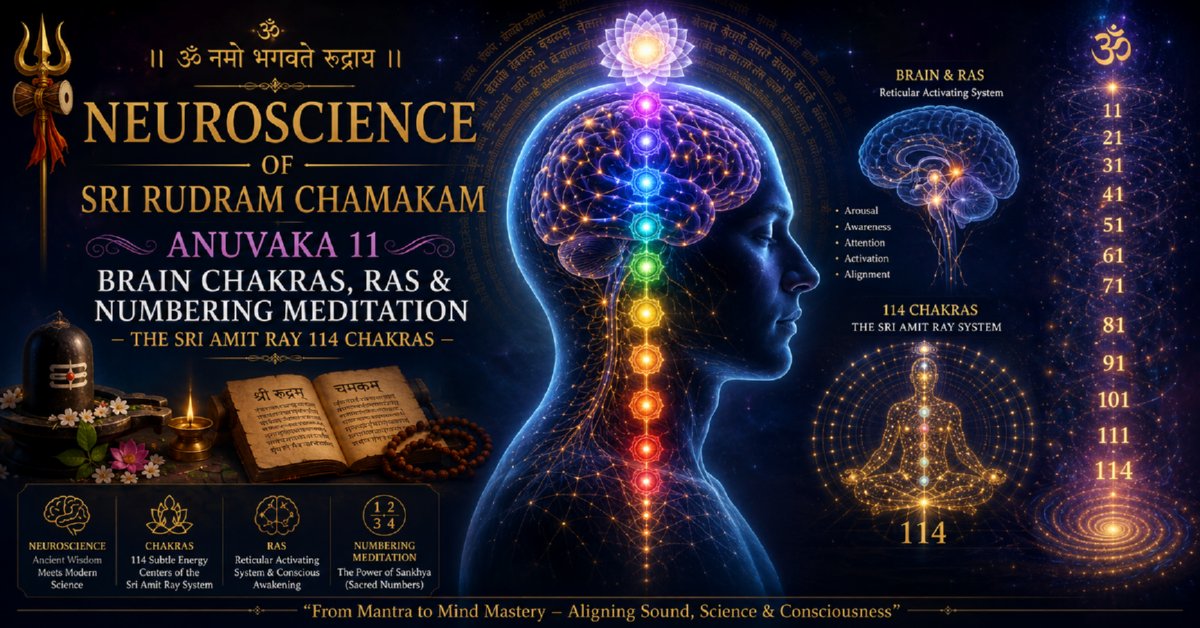
This article explores the neuroscientific dimensions of Sri Rudram Chamakam Anuvaka 11. Its rhythmic, patterned, number-based recitation combined with the repeated self-referential affirmation “cha me” (“unto me”) may function as a powerful cognitive training practice that supports RAS conditioning, neural synchronization, attentional strengthening, working memory enhancement, and sustained concentration. From a neuroscience perspective, these ancient chanting structures can be viewed as an early form of systematic attention training that has been preserved and transmitted for more than three millennia.
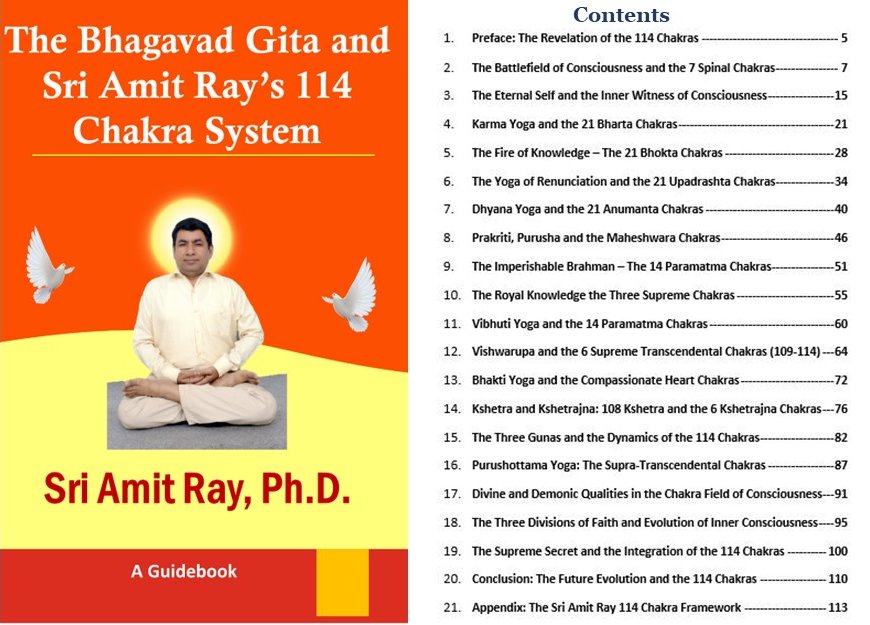
The Bhagavad Gita and Sri Amit Ray’s 114 Chakra System
In 2005, during deep Himalayan meditation, Sri Amit Ray discovered the complete architecture of the 114 Chakra System and revealed its profound relationship with the timeless teachings of the Bhagavad Gita. Revelations from Bhagavad Gita, where the Divine Self is described as Upadrashta (Witness), Anumanta (Permitter), Bharta (Sustainer), Bhokta (Experiencer), Maheshwara (Supreme Lord), and Paramatma (Supreme Self) — Sri Amit Ray developed a multidimensional chakra framework that integrates ancient yogic wisdom, meditation science, consciousness evolution, and spiritual neuroscience into a unified map of human awakening.
The Bhagavad Gita and Sri Amit Ray’s 114 Chakra System is a monumental spiritual and mind, body, consciousness studies book first published in 2015. The work presents a profound integration of the timeless wisdom of the Bhagavad Gita with Sri Amit Ray’s revolutionary discovery of the 114 Chakra Consciousness Framework. Combining ancient yogic philosophy, meditation science, subtle energy systems, mindfulness, neuroscience, and higher consciousness studies, the book offers a comprehensive multidimensional map of human spiritual evolution — guiding readers from foundational awareness to the highest states of transcendental realization and universal consciousness.
Introduction
The Bhagavad Gita and Sri Amit Ray’s 114 Chakra System presents a profound and multidimensional exploration of consciousness, spirituality, meditation, and inner transformation. Rooted in the timeless wisdom of the Bhagavad Gita and expanded through Sri Amit Ray’s revolutionary 114 Chakra Consciousness Framework, the book introduces an advanced spiritual architecture that transcends conventional chakra models and opens new dimensions of contemplative understanding.
For centuries, the Bhagavad Gita has served as one of humanity’s most influential spiritual texts, illuminating the path of self-realization, inner balance, ethical living, devotion, meditation, and liberation. Sri Amit Ray’s 114 Chakra System extends these teachings into a detailed experiential map of human consciousness, revealing how spiritual evolution unfolds through interconnected layers of energy, awareness, cognition, and transcendence.
The book bridges ancient yogic philosophy with modern consciousness studies, neuroscience, contemplative psychology, subtle energy systems, and meditation science. It offers readers not merely a theoretical discussion of chakras, but a practical framework for inner awakening, mindfulness, emotional refinement, expanded awareness, and spiritual transformation.
By integrating the metaphysical teachings of the Gita with a highly structured chakra architecture, the work creates a comprehensive model for understanding the deeper dimensions of the self, the mind, and the journey toward universal consciousness. It is both a philosophical text and a practical guide for meditators, yoga practitioners, researchers, and seekers of higher wisdom.
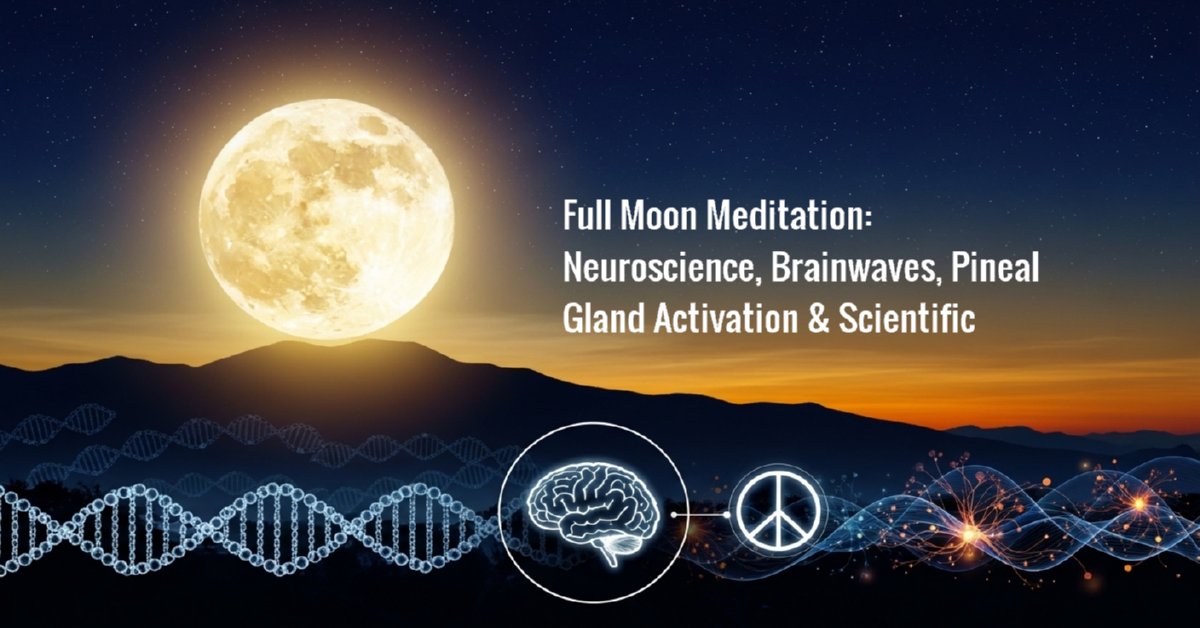
Neuroscience of Full Moon Meditation 2026: Pineal Gland Activation, Brainwaves & Scientific Benefits
🌕 What You'll Discover: This comprehensive guide reveals how the 2026 full moon dates create optimal windows for deep meditation, how lunar light scientifically affects your pineal gland and melatonin production, how specific brainwave states are induced during moonlit meditation, and exactly which techniques produce the most measurable psychological and neurological benefits — all are discussed based on recent scientific studies, and peer-reviewed research.
Within the framework of Sri Amit Ray’s 114 chakra system, the full moon is especially associated with higher-order neural integration, subtle energy synchronization, and the activation of expanded awareness networks linked to lunar resonance cycles. In the 114-chakra system, the 6 chakras are outside the body, and 108 chakras are inside the body.
Sri Amit Ray Tradition: Consciousness, Spirituality, Ethics, and Compassionate Technology
The Sri Amit Ray Tradition represents a unified science of human potential—a comprehensive framework that synthesizes millennia of contemplative wisdom with contemporary scientific understanding, ethical discernment, and compassionate application. Born from decades of systematic meditation, interdisciplinary inquiry, and empirical validation, it transcends conventional boundaries between spirituality and science by offering a precision map of consciousness that spans from the cellular to the cosmic.
This tradition expands classical models of yoga and meditation through its meticulous mapping of 114 chakras, 72,000 nadis, and 1,200 human patterns, while simultaneously engaging in rigorous dialogue with neuroscience, astrophysics, immunology, and systems theory. It does not view inner awakening and outer responsibility as separate pursuits, but rather presents conscious evolution as an integrated, disciplined, and ethically grounded process—one that serves both personal liberation and the flourishing of humanity as a whole.
The Sri Amit Ray Tradition is an integrative framework of consciousness that bridges advanced spiritual insight with scientific reasoning, ethical intelligence, and compassionate technology, offering a systematic path for conscious human evolution.
To appreciate the scope, rigor, and transformative potential of this work, it is essential first to understand what distinguishes the Sri Amit Ray Tradition—both in its foundational vision and in its practical application—from other approaches to consciousness and human development.
The Five Axis Power Chakras of Sri Amit Ray: A Unified Science of Solar Energy, Mitochondria, and Consciousness
The Five Axis Power Chakras of Sri Amit Ray Tradition
A Unified Science of Solar Energy, Lunar Energy, Mitochondrial Bioenergetics, and Multidimensional Consciousness
The Five Axis Power Chakras of Sri Amit Ray function as the primary organizing architecture within his larger multidimensional chakra cosmology, serving as the structural bridge between the Ray 114 Chakra System and the more expansive Ray 256 Chakra System.
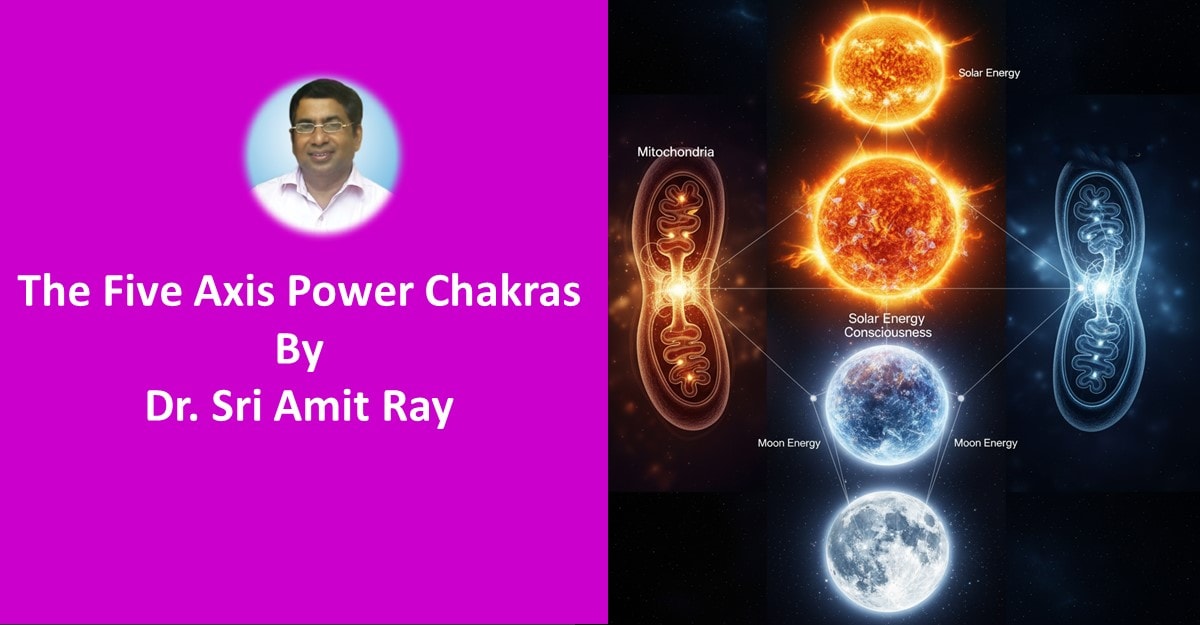
While the 114 chakras map the functional interfaces between neural centers, endocrine nodes, bioelectromagnetic fields, and subtle awareness points across the body–mind continuum, the Five Axis Power Chakras operate as master regulatory axes, synchronizing these dispersed nodes through solar-driven mitochondrial energy, circadian timing, and coherent neural–visceral communication.
The Five Axis Power Chakras emphasize solar-driven energies, mitochondrial function, and dynamic physiological regulation, while the 16 Moon Chakras introduce lunar influences, focusing on rest, intuition, and melatonin-mediated processes. Together, they form a balanced duality of yang (solar) and yin (lunar) forces, facilitating multidimensional consciousness and holistic well-being.
As consciousness matures beyond physiological regulation into trans-cognitive awareness, the 256 Chakra System emerges as a higher-resolution lattice, extending perception into supra-mental, collective, and cosmic domains. In this progression, the Five Axis Power Chakras act as axis stabilizers, ensuring energetic coherence, biological sustainability, and conscious integration as the practitioner transitions from embodied solar intelligence (114 chakras) to multidimensional consciousness navigation (256 chakras), without fragmentation or dissociation.
Introduction: A Post-Symbolic Chakra Science
The Five Axis Power Chakras of Sri Amit Ray redefine chakra science as a system of functional, biological, and consciousness-based alignments. Rather than isolated energy centers, chakras are understood as regulatory axes integrating physiology, neural networks, circadian timing, and higher awareness.
This framework integrates seamlessly with the science of sun light, recognizing the Sun as the primary energetic architect of life, embodied within the human organism through mitochondrial respiration and circadian neurobiology.
The five solar axes encompass 41 chakras, governing energy dynamics, while the 16 Moon Chakras (also known as Soma, Tithi, or melatonin chakras) correspond to the moon's 16 kalas, influencing psychic and hormonal rhythms. This article explores both systems in detail, highlighting their scientific underpinnings and synergistic interplay.
Fundamentals of the Five Axis Power Chakras
The Five Axis Power Chakras, as elucidated by Sri Amit Ray, represent a profound integration of ancient spiritual wisdom with modern scientific understanding. This framework transcends traditional chakra models by emphasizing multidirectional coherence pathways that connect organs, endocrine systems, neural circuits, and subtle awareness fields. These axes regulate energy generation, distribution, stabilization, and transformation, serving as the foundational architecture for higher consciousness and biological harmony.
Rooted in the Ray 114 Chakra System, which maps 114 functional interfaces across the body-mind continuum, the Five Axis Power Chakras act as master regulators. They bridge the embodied solar intelligence of the 114 chakras with the expansive, cosmic domains of the Ray 256 Chakra System. This system redefines chakras not as isolated energy centers but as dynamic networks synchronized through solar-driven mitochondrial energy, circadian rhythms, and neural-visceral communication.
Drawing from the science of Sun's cosmic appearance—these axes highlight the Sun's role as the primary energetic architect of life. Sunlight, converted via photosynthesis into oxygen, fuels mitochondrial oxidative phosphorylation, generating ATP, the cellular energy currency. This solar-mitochondrial axis underpins Solar Kundalini, linking cosmic prana (life force) with embodied awareness. Disruptions in this flow can lead to metabolic disorders, emotional instability, and fragmented consciousness, while alignment fosters resilience, creativity, and spiritual evolution.
The five axes—Gut–Brain, HPA, HPG, RAAA, and Heart–Thymic—comprise 41 chakras in total, each axis governing specific biological and subtle functions. This article explores each in detail, integrating insights from mitochondrial biology, photobiology, and neuroendocrine science.
The Science of Solar Energy, Mitochondria, and Life Energy
All biological energy on Earth originates from the Sun. Through photosynthesis, solar photons create oxygen, enabling mitochondrial oxidative phosphorylation—the process by which ATP is generated in human cells.
Sunlight also entrains the suprachiasmatic nucleus (SCN), the master circadian clock of the brain. This entrainment regulates sleep–wake cycles, hormone secretion, immune function, metabolism, and emotional stability.
In Sri Amit Ray’s system, this solar–mitochondrial axis is not metaphorical. It is the biological substrate of Solar Kundalini, linking cosmic energy with embodied awareness.
The 16 Moon Chakras: Lunar Energy Centers
The 16 Moon Chakras, discovered by Sri Amit Ray, map subtle centers corresponding to the moon's 16 phases (kalas). They govern lunar consciousness, emotional tides, and restorative processes. Distinct from the seven elementary chakras, they facilitate karmic purification, ancestral healing, and psychic development, connecting to universal feminine energy (Soma/Chandra).
During lunar events like Mauni Amavasya, these chakras act as gateways for activation, involving visualization of a luminous dark sphere above the crown for seeding new consciousness.
The Science of the 16 Moon Chakras
Scientifically, the Moon Chakras link to melatonin dynamics, earning the name melatonin chakras. Melatonin, produced by the pineal gland, regulates circadian rhythms, sleep, and neuroprotection. Lunar phases influence hormonal fluctuations, with Amavasya aligning for peak purification. Neurobiologically, silence during practices quiets the Default Mode Network, optimizing pituitary function and serotonin-melatonin balance.
This system complements solar mitochondrial ATP production with lunar restorative mechanisms, promoting emotional equilibrium, intuitive clarity, and consciousness expansion through hormonal harmony.
Key Moon Chakras: Soma, Bindu, Indu, Usha, and Ratri
Central to the system are:
Axis Power Chakras: Definition and Function
An Axis Power Chakra is a multidirectional coherence pathway connecting organs, endocrine systems, neural circuits, and subtle awareness fields. Axes regulate how energy is generated, distributed, stabilized, and transformed.
These axes form the structural backbone for advanced Sri Amit Ray systems, including the 12 Aditya Chakras, the 16 moon chakras, the Ray 28 Brain Chakras, and the 24 Vaikuntha Chakras.
The Five Axis Power Chakras: Overview
Gut–Brain Axis Power Chakras
The Gut–Brain Axis Power Chakras, consisting of 8 chakras, form a bidirectional communication network between the enteric nervous system (the "second brain" in the gut) and the central nervous system. This axis governs emotional digestion, immune signaling, and intuitive intelligence, translating mitochondrial energy into motivation, learning, and meaning making.
Scientifically, the gut microbiome influences neurotransmitter production, such as serotonin, which modulates mood and cognition. Sunlight exposure entrains circadian rhythms via the suprachiasmatic nucleus (SCN), optimizing mitochondrial function in gut cells for efficient ATP production. Misalignments can result in digestive disorders, anxiety, or cognitive fog, while alignment enhances gut permeability regulation and neuroplasticity.
In Sri Amit Ray's framework, these chakras facilitate the flow of solar prana through the vagus nerve, promoting emotional resilience. Practices like mindful eating during daylight hours amplify this axis, fostering a harmonious integration of physical nourishment and subtle awareness.
Hypothalamic–Pituitary–Adrenal (HPA) Axis Power Chakras
Comprising 9 chakras, the HPA Axis Power Chakras regulate stress physiology, cortisol rhythms, and adaptive resilience. This axis acts as the body's alarm system, responding to threats by mobilizing energy resources through glucocorticoid release.
Solar entrainment stabilizes this axis by aligning cortisol peaks with morning sunlight, preventing chronic activation that leads to burnout or neuroendocrine exhaustion. Mitochondria in adrenal cells rely on oxygen from solar-originated photosynthesis, and circadian disruptions impair ATP generation, exacerbating stress-related disorders like adrenal fatigue or immune suppression.
Within the Ray system, these chakras channel solar intelligence to modulate threat responses, transforming reactive stress into purposeful action. Alignment supports evolutionary growth, turning challenges into opportunities for conscious refinement.
Hypothalamic–Pituitary–Gonadal (HPG) Axis Power Chakras
The HPG Axis Power Chakras, with 8 chakras, oversee creativity, bonding, reproductive vitality, and generative life force. This axis governs hormone secretion like estrogen and testosterone, influencing fertility, intimacy, and artistic expression.
Creativity is a metabolic phenomenon, fueled by mitochondrial efficiency in gonadal tissues. Sunlight modulates melatonin and pineal gland activity, which in turn affects gonadotropin-releasing hormones. Chronobiological studies show that aligned circadian rhythms enhance reproductive health, while disruptions contribute to infertility or mood swings.
Sri Amit Ray views this axis as the bridge between personal creation and cosmic generation, where solar energy ignites the spark of life. Balancing these chakras fosters deep relational bonds and innovative thinking, embodying the Sun's generative power in daily life.
Renin–Angiotensin–Aldosterone–Adrenergic (RAAA) Axis Power Chakras
Encompassing 10 chakras, the RAAA Axis Power Chakras manage circulation, blood pressure, and oxygen delivery, ensuring solar-derived ATP reaches every tissue. This axis integrates kidney, adrenal, and vascular functions for fluid balance and vitality distribution.
Mitochondrial respiration depends on efficient oxygen transport, regulated by circadian oscillations in renin and aldosterone. Sunlight exposure optimizes vascular tone through nitric oxide production, reducing hypertension risks. Imbalances can lead to cardiovascular issues, while coherence promotes sustained energy and resilience.
In this framework, these chakras embody the directional flow of prana, aligning bodily rhythms with solar cycles for embodied strength and systemic efficiency.
Heart–Thymic Axis Power Chakras
The Heart–Thymic Axis Power Chakras, with 6 chakras, integrate heart rhythm coherence with immune intelligence, forming the foundation for compassion, emotional regulation, and systemic harmony.
Heart rate variability (HRV) follows circadian patterns, influenced by sunlight's role in thymic hormone production like thymosin, which matures T-cells. Mitochondria in cardiac cells generate energy for rhythmic contractions, and photobiomodulation enhances this process. This axis links emotional states to immune responses, where coherence boosts antiviral defenses and reduces inflammation.
Sri Amit Ray emphasizes this axis as the seat of compassionate awareness, where solar energy fosters unity between self and others, preventing isolation and promoting collective well-being.
Integration with Advanced Sri Amit Ray Chakra Systems
The 12 Aditya Chakras
The Aditya Chakras distribute solar intelligence across cognitive, physiological, and spiritual domains. They operate optimally only when the Five Axes are aligned. Provides vital energy to the body’s cells and organs. Powerful for removing toxins and negative psychic impressions.
The Ray 28 Brain Chakras
These chakras refine perception, insight, and higher cognitive awareness. Axis coherence stabilizes their activation. The 28 Brain Chakras that map to neurological and hormonal pathways, offering a modern, scientifically aligned understanding of consciousness, emotion, and healing, linking ancient energy centers to brain function like the HPA axis and neurotransmitters for deeper spiritual and psychological integration, distinct from the simpler seven-chakra model.
The 24 Vaikuntha Chakras
In the tradition of Sri Amit Ray, the 24 Vaikuntha Chakras operate beyond physical and emotional bodies, requiring stable axis alignment to access trans-physical awareness. The 24 Vaikuntha Chakras are viewed as internal "gates" or energy centers that, when activated, remove the mental and spiritual blocks—such as fear, trauma, doubt, and ego—that prevent a soul from reaching a state of unending peace. These chakras are also connected to the central nervous system and major biological axes (like the HPA and brain-gut axis). They are effective in guarding against negative influences and illness.
They are categorized into different functional groups such as Protection (Raksha), Harmony (Santulan), and Prosperity (Shri). Unlike the standard spinal chakras, the Vaikuntha chakras are often described as "portals" to higher consciousness. They are activated to dissolve the "Kunthas" (limitations) of the human mind, transitioning the practitioner from a state of duality to a state of unity.
Practical Applications and Evolutionary Implications
Solar discipline, lunar discipline, Mauna (intentional silence), circadian alignment, intermittent fasting, Ekadashi fasting, and breath regulation function as precision tools for stabilizing and synchronizing the Five Axis Power Chakras, translating abstract energetic principles into measurable biological and cognitive coherence. Solar discipline—through early-morning light exposure, Surya-centric rituals, and diurnal activity alignment—directly enhances mitochondrial efficiency, regulates cortisol rhythms, and strengthens the gut–brain and heart–brain axes.
Lunar discipline, emphasizing rest, introspection, hydration, and parasympathetic dominance during nocturnal and new-moon phases, stabilizes neuroendocrine feedback loops and emotional regulation. Mauna reduces sensory and linguistic load on cortical networks, allowing autonomic recalibration, vagal tone enhancement, and deep axis-level integration. Circadian alignment anchors these practices within the suprachiasmatic–pineal timing system, preventing axis desynchronization and metabolic stress.
Intermittent fasting and Ekadashi fasting act as metabolic resets, activating autophagy, mitochondrial biogenesis, and insulin sensitivity while refining gut–brain and HPA axis communication. Breath regulation—especially slow, coherent, and nasal breathing—serves as the most immediate axis modulator, harmonizing cardiovascular rhythms, baroreceptor signaling, and limbic stability. Collectively, these practices transform the Five Axis Power Chakras from a conceptual framework into an evolutionary operating system, enabling the transition from survival-based physiology to solar-aligned, self-regulating, and consciousness-driven human functioning.
Conclusion: Axis Alignment as the Future of Chakra Science
Sri Amit Ray’s Five Axis Power Chakras establish a post-symbolic, biologically grounded chakra science. They demonstrate that awakening is not an escape from the body, but the refinement of its alignment with solar intelligence. These systems underpin the 12 Aditya (solar), 16 Moon Chakras, 28 Brain chakras, and 24 Vaikuntha Chakras. Lunar purification enables safe solar ascensions, navigating multidimensional realms without fragmentation.
By integrating the Sun, moon, mitochondria, neuroendocrine axes, and multidimensional awareness, this framework offers a durable, future-facing model for both scientific inquiry and spiritual realization.
Frequently Asked Questions (FAQs)
What are the Five Axis Power Chakras of Sri Amit Ray?
The Five Axis Power Chakras are advanced functional alignments that regulate how solar-derived energy, mitochondrial metabolism, neural coordination, and consciousness interact. Unlike classical chakras, they operate as multidirectional regulatory systems rather than isolated energy centers.
How are the Axis Power Chakras connected to the Sun and mitochondria?
Solar energy governs circadian rhythms and oxygen production, which directly enable mitochondrial ATP generation. The Axis Power Chakras coordinate how this solar–mitochondrial energy is stabilized, distributed, and refined across neuroendocrine and awareness systems.
Is this system different from the traditional seven chakras?
Yes. The traditional seven chakras focus primarily on spinal and psycho-emotional development. The Five Axis Power Chakras operate at a higher organizational level, governing biological regulation, stress adaptation, circulation, immunity, and transpersonal coherence.
What is the role of the Manipura Chakra in this framework?
Manipura is understood as a mitochondrial–autonomic power hub rather than a symbolic energy center. It governs metabolic clarity, willpower, and sustained vitality through solar alignment and circadian coherence.
How do the Five Axis Power Chakras support higher chakra systems?
The Five Axes provide the structural foundation required for the safe and stable activation of advanced systems such as the 12 Aditya Chakras, the 16 Soma Chakras, the Ray 28 Brain Chakras, and the 24 Vaikuntha Chakras. Without axis coherence, cosmic integration, higher activations remain fragmented.
References
Sri Amit Ray’s RAAA Axis Chakras - Circulatory–Regulatory Axis Chakras
The RAAA Axis Chakras represent the circulatory–regulatory intelligence system within Sri Amit Ray’s Ray 114 Chakra System. This axis governs blood flow, vascular tone, pressure sensing, renal–adrenal coordination, and neuro-adrenergic resilience.
Unlike classical chakra models limited to nerve plexuses, the RAAA Axis Power Chakras maps subtle energy centers embedded within blood vessels, baroreceptors, renal signaling zones, adrenal interfaces, and cardiac rhythm fields. These chakras explain how circulation becomes a carrier of consciousness, emotional stability, and survival intelligence.
Within the larger Ray 114 Chakra framework, the RAAA Axis serves as the physiological backbone supporting higher-order systems such as the Gut–Brain Axis, the HPA Axis, and the Heart–Thymic Axis Power Chakras. Without circulatory coherence and adrenergic balance, higher consciousness cannot remain biologically viable.
Introduction | What is the RAAA Axis? | RAAA Axis Chakras Table | Primary Functions | Integration in Ray 114 Chakra System | FAQs
The RAAA Axis in Neuroscience and Chakra Science
RAAA refers to the Renin–Angiotensin–Aldosterone–Adrenergic Axis, a core physiological system regulating blood pressure, fluid balance, stress responsiveness, and vascular integrity.
In the Ray 114 Chakra System, this axis is expanded into a circulatory consciousness pathway, demonstrating how vascular regulation, oxygen delivery, and autonomic tone directly influence emotional regulation, cognitive clarity, and resilience under stress.
Sri Amit Ray’s HPG Axis Chakras (Reproductive–Creative Axis) | Ray 114 Chakra System
Just as the Gut–Brain Axis Chakras reveal distributed emotional and immune intelligence, the HPG Axis Chakras illuminate a deeper layer of human consciousness related to creation, identity, continuity, bonding, and generational memory.
In the Sri Amit Ray 114 Chakra System, the HPG Chakras represent a refined neuroendocrine chakra cluster governing how reproductive hormones interact with the brain to shape motivation, attachment, creativity, sexual identity, and long-term neural plasticity.
Introduction | HPG Axis and Consciousness | The HPG Chakra Subsystem | HPG Chakra Table | Neuroendocrine Functions | Development, Sexuality, and Identity | Integration with Other Axes | Conclusion
HPG Axis and Consciousness
The hypothalamic–pituitary–gonadal (HPG) axis is traditionally understood as a hormonal feedback loop controlling reproduction. However, modern neuroscience demonstrates that sex steroids profoundly influence:
The HPG Chakras represent subtle regulatory vortices along this axis, translating hormonal rhythms into conscious experience and behavioral patterns.
The HPG Chakra Subsystem
Unlike the classical Svādhiṣṭhāna–Manipūra model, the HPG Chakra system recognizes micro-chakras and hormonal junction chakras distributed across the pelvic organs, reproductive glands, pituitary interfaces, and hypothalamic nuclei.
These chakras are hierarchical and functionally specialized, much like the Gut–Brain Mātrikā Chakras. They govern not only fertility but also creative intelligence and psychosomatic integration.
HPG Axis Chakras – Names, Locations, and Functions
| # | Sanskrit Name | English Name | Primary Location | Core Function |
|---|---|---|---|---|
| 1 | Bīja-Sṛṣṭi Chakra | Seed Creation Chakra | Gonads (ovaries / testes) | Gamete vitality, genetic continuity, creative potential |
| 2 | Rasa-Bandhana Chakra | Hormonal Bonding Chakra | Pelvic hormonal plexus | Attachment, reproduction bonding, emotional imprinting |
| 3 | Śakti-Laya Chakra | Creative Dissolution Chakra | Lower abdomen | Sexual energy modulation, pleasure–control balance |
| 4 | Garbha-Smṛti Chakra | Embodied Memory Chakra | Uterine–prostatic neural field | Cellular memory, reproductive trauma storage |
| 5 | Rūpa-Saṅkalpa Chakra | Identity Formation Chakra | Pituitary–gonadal interface | Mental identity, body–self coherence |
| 6 | Kāla-Niyama Chakra | Hormonal Timing Chakra | Pituitary gland | Puberty, cycles, reproductive rhythms |
| 7 | Icchā-Preraṇa Chakra | Desire Regulation Chakra | Hypothalamic nuclei | Libido, motivation, goal alignment |
| 8 | Vaṁśa-Vistāra Chakra | Generational Continuity Chakra | Hypothalamic–limbic bridge | Ancestral memory, lineage consciousness |
Primary Neuroendocrine Functions of the HPG Chakras
Development, Reproduction, and Identity
Activation of the HPG Chakras is most evident during puberty, adulthood, and life transitions. Dysregulation may manifest as identity confusion, fertility issues, or motivational collapse, while balanced activation supports creativity, intimacy, and purpose-driven living.
Integration with Other Neuroendocrine Axes
The HPG Chakras do not operate in isolation. They interact continuously with:
Together, these systems form a unified psychobiological chakra network.
Conclusion
The HPG Axis Chakras reveal that reproduction is not merely biological but deeply conscious. Within the Sri Amit Ray 114 Chakra System, these chakras explain how desire becomes creativity, hormones become identity, and biology becomes lineage-aware consciousness.
References
Sri Amit Ray’s HPA Axis Chakras (Stress–Adaptation Axis) | Ray 114 Chakra System
A neuroendocrine chakra framework within the Ray 114 Chakra System
The HPA Axis Chakras represent a refined neuroendocrine chakra subsystem described in the teachings of Sri Amit Ray, illuminating how stress, adaptation, resilience, and survival intelligence operate through the hypothalamic–pituitary–adrenal (HPA) axis.
These chakras have multiple uses. Beyond traditional applications in personal healing, emotional balance, and spiritual awakening, the HPA Axis Chakras hold transformative potential in contemporary fields. They inspire the design of compassionate artificial intelligence systems that emulate human empathy, resilience, and adaptive decision-making. Furthermore, these chakras inform advanced brain-body-behavior computational models, enhancing our understanding of neuropsychology, stress-related disorders, and holistic well-being. In therapeutic contexts or healing frameworks—they offer pathways for interventions addressing anxiety, burnout, immunity, and neurogenesis, promoting profound restoration and higher consciousness.
Within the Ray 114 Chakra System, these chakras extend far beyond the traditional Manipura (solar plexus) concept, revealing multiple hierarchical micro-chakras distributed across the brain, endocrine glands, adrenal cortex, and immune–metabolic interfaces.
Introduction | HPA Axis and Consciousness | HPA Axis Chakras | HPA Chakra Table | Primary Functions | Stress, Trauma, and Adaptation | Integration with Other Axes | Conclusion | FAQs
Read more ..Neuroscience of the HPG Axis: Primary Functions – A Scientific Review
The Hypothalamic-Pituitary-Gonadal (HPG) axis is a vital neuroendocrine system that governs reproduction, sexual development, and systemic homeostasis. Far from being an isolated reproductive loop, the HPG axis is deeply integrated into the central nervous system (CNS), influencing neuroplasticity, behavior, and metabolic health. This review explores the anatomical framework, the precise neurochemical mechanisms of regulation, and the primary physiological functions of the HPG axis.
Introduction
The survival of any mammalian species relies on the precise orchestration of reproductive function. At the heart of this process lies the Hypothalamic-Pituitary-Gonadal (HPG) axis, a complex, tightly regulated feedback loop connecting the brain to the reproductive organs. While historically viewed purely through the lens of reproduction, modern neuroscience recognizes the HPG axis as a master regulator of overall health. The hormones produced by this axis cross the blood-brain barrier to shape brain architecture, regulate mood, protect against neurodegeneration, and maintain metabolic and skeletal integrity.
The Hypothalamic–Pituitary–Gonadal (HPG) Axis is a foundational neuroendocrine circuit that integrates central nervous system signaling with reproductive physiology. It coordinates hormone release from the hypothalamus, pituitary gland, and gonads, directly shaping sexual development, fertility, reproductive cycles, and multiple aspects of brain function. In neuroscience and physiology, the HPG axis exemplifies how neuroendocrine networks regulate peripheral organ systems while simultaneously feeding back to influence brain activity and behavior.
The following sections describe the primary functional domains of the HPG axis from a modern scientific standpoint, drawing on established neuroendocrine research and peer-reviewed literature.
HPG Axis Overview
At its core, the HPG axis involves the pulsatile release of gonadotropin-releasing hormone (GnRH) from specialized neurons in the hypothalamus. GnRH stimulates the anterior pituitary gland to secrete two gonadotropins: luteinizing hormone (LH) and follicle-stimulating hormone (FSH). These gonadotropins act on the gonads—the testes in males and the ovaries in females—to promote sex steroid production (testosterone, estradiol, and progesterone) and gametogenesis (the production of sperm and ova).
The sex steroids produced by the gonads, in turn, exert feedback effects on the hypothalamus and pituitary, forming a closed-loop regulatory system. This feedback can be negative (suppressing further hormone release) or, during specific phases of the female reproductive cycle, positive (amplifying hormone release to trigger events such as ovulation).
HPG Axis and the Immune System
Bidirectional communication between the HPG axis and the immune system is increasingly recognized:
1. Regulation of Reproductive Hormones
The HPG axis's primary function is to regulate the synthesis and pulsatile release of sex hormones. GnRH neurons in the hypothalamus generate oscillatory secretory patterns that drive LH and FSH release from gonadotroph cells in the anterior pituitary. The frequency and amplitude of GnRH pulses shape circulating levels of testosterone, estradiol, and progesterone, which collectively govern reproductive physiology in both sexes (Herbison 2018; Plant 2015).
The pulsatile nature of GnRH secretion is essential: continuous (non-pulsatile) GnRH administration paradoxically suppresses gonadotropin release, a principle exploited in clinical treatments for conditions such as precocious puberty and hormone-sensitive cancers (Kaprara and Huhtaniemi 2018).
2. Control of Gametogenesis
FSH and LH act on gonadal tissues to regulate gamete production—a process fundamental to reproductive capacity. In males, LH stimulates Leydig cells in the testes to produce testosterone, while FSH supports Sertoli cell-mediated spermatogenesis, facilitating sperm maturation. In females, FSH promotes follicle development and oocyte maturation within the ovaries, and the mid-cycle LH surge triggers ovulation and subsequent corpus luteum formation (Clarke and Caraty 2015).
The coordinated action of these gonadotropins ensures that gamete production is tightly coupled with hormonal milieu, optimizing conditions for successful reproduction.
3. Development of Secondary Sexual Characteristics
Sex steroids produced under HPG axis control are critical for the development and maintenance of secondary sexual characteristics during puberty and throughout adulthood. Testosterone drives male-typical patterns of increased muscle mass, voice deepening, and characteristic hair distribution. Estradiol and progesterone shape female reproductive tract maturation, breast development, and body composition changes (Dwyer and Quinton 2019).
These changes are not merely cosmetic; they reflect deep physiological remodeling driven by hormone-receptor interactions in target tissues throughout the body, including bone, adipose tissue, and skin.
4. Puberty and Developmental Timing
The HPG axis undergoes a quiescent period following a brief activation in infancy (the so-called "mini-puberty") and remains largely dormant during childhood. Reactivation at puberty marks the onset of reproductive capacity, characterized by increased pulsatile GnRH secretion, rising gonadotropin levels, and accelerated sex hormone production (Plant 2015).
The mechanisms governing the timing of pubertal reactivation involve complex interactions among genetic factors, nutritional status, body composition, and environmental cues. Kisspeptin signaling has been identified as a critical gatekeeper of puberty onset, with loss-of-function mutations in the kisspeptin receptor (KISS1R) resulting in absent or delayed puberty (Herbison 2018).
5. Feedback Regulation and Homeostasis
Sex steroids exert negative feedback on the hypothalamus and pituitary to regulate GnRH, LH, and FSH secretion, maintaining hormonal homeostasis. In males, testosterone and its metabolites tonically suppress GnRH pulse frequency. In females, estradiol exerts negative feedback during most of the menstrual cycle but switches to positive feedback at mid-cycle, generating the preovulatory LH surge that triggers ovulation (Acevedo-Rodriguez et al. 2018).
Additional feedback signals include inhibin (produced by gonadal cells), which selectively suppresses FSH secretion, and activin, which promotes it. These peptide hormones add further precision to the feedback control architecture of the HPG axis.
6. Brain–Gonadal Communication
The HPG axis exemplifies bidirectional communication between the brain and peripheral reproductive organs. Neuropeptides such as kisspeptin, neurokinin B, and dynorphin—produced by hypothalamic KNDy neurons—are integral to HPG axis regulation. Kisspeptin neurons provide potent excitatory input to GnRH neurons, and sex steroid receptors expressed throughout hypothalamic circuits mediate feedback effects (Herbison 2018).
Beyond reproductive regulation, gonadal hormones influence cognition, mood, motivation, and neural plasticity through widespread receptor expression in brain regions including the hippocampus, prefrontal cortex, and amygdala (Vadakkadath Meethal and Atwood 2005). This bidirectional communication integrates reproductive state with broader aspects of brain function and behavior.
7. Reproductive Cycle Modulation
In females, the HPG axis drives the cyclical hormonal changes that constitute the menstrual cycle (in humans) or estrous cycle (in other mammals). This cyclic regulation controls follicular development, ovulation, and luteal function across successive phases. Fluctuations in estradiol and progesterone orchestrate endometrial preparation for potential embryo implantation, and in the absence of pregnancy, declining progesterone triggers menstruation (Clarke and Caraty 2015).
The precise coordination of these hormonal events requires intact feedback loops and appropriately timed GnRH pulsatility, disruption of which can lead to anovulation, irregular cycles, and impaired fertility.
8. Interaction with Stress and Other Neuroendocrine Axes
The HPG axis interacts closely with stress-response pathways, particularly the hypothalamic–pituitary–adrenal (HPA) axis. Stress hormones such as cortisol and corticotropin-releasing hormone (CRH) can inhibit GnRH release at the hypothalamic level and alter LH and FSH secretion from the pituitary, thereby suppressing reproductive function under conditions of prolonged physiological or psychological stress (Acevedo-Rodriguez et al. 2018).
This cross-talk between the HPG and HPA axes represents an adaptive mechanism that prioritizes survival over reproduction during periods of acute or chronic stress. It also has clinical relevance, as stress-related reproductive dysfunction—including hypothalamic amenorrhea—is well documented in human populations.
9. Aging, Fertility Decline, and Reproductive Senescence
HPG axis activity changes significantly with advancing age. In females, reproductive senescence culminates in menopause, characterized by depletion of ovarian follicles, declining estradiol and progesterone production, and loss of negative feedback leading to elevated gonadotropin levels. In males, aging is associated with a more gradual decline in testosterone production and spermatogenic capacity—sometimes termed "andropause"—with broader systemic effects on bone density, muscle mass, and metabolic function (Kaprara and Huhtaniemi 2018).
Understanding age-related changes in HPG axis function is critical for managing reproductive health across the lifespan and for addressing associated conditions such as osteoporosis, cardiovascular risk, and cognitive changes in aging populations.
Frequently Asked Questions
What is the HPG axis in neuroscience?
The hypothalamic–pituitary–gonadal (HPG) axis is a neuroendocrine system that regulates reproductive function through coordinated signaling between the brain and gonads, integrating hormonal, developmental, and behavioral processes essential for reproduction and aspects of cognition.
Which hormones are involved in the HPG axis?
The primary hormones include gonadotropin-releasing hormone (GnRH) from the hypothalamus, luteinizing hormone (LH) and follicle-stimulating hormone (FSH) from the anterior pituitary, and the gonadal sex steroids testosterone, estradiol, and progesterone. Additional regulatory peptides include inhibin, activin, and kisspeptin.
How does the HPG axis regulate puberty?
Puberty begins when hypothalamic GnRH secretion increases in a pulsatile manner after a period of childhood quiescence, activating pituitary LH and FSH release and stimulating gonadal hormone production that drives sexual maturation and the development of reproductive capacity.
How does stress affect the HPG axis?
Chronic stress suppresses HPG axis activity through inhibitory effects of glucocorticoids and CRH on GnRH and gonadotropin secretion, often leading to reduced fertility, anovulation, and altered reproductive cycles. This represents an adaptive prioritization of survival over reproduction.
What role does the HPG axis play in fertility?
The HPG axis governs gametogenesis, ovulation, spermatogenesis, and reproductive cycling, making it essential for fertility in both males and females. Disruption at any level of the axis can impair reproductive capacity.
How does aging influence the HPG axis?
Aging alters HPG axis feedback sensitivity and hormone production, contributing to menopause in females (with elevated gonadotropins and declining estradiol) and gradual declines in testosterone and reproductive capacity in males, with associated systemic health effects.
Is the HPG axis connected to brain function beyond reproduction?
Yes. Reproductive hormones regulated by the HPG axis influence cognition, mood, motivation, and neural plasticity through widespread sex steroid receptor expression in brain regions such as the hippocampus, amygdala, and prefrontal cortex.
Conclusion
The HPG axis is a critical neuroendocrine hub that integrates hypothalamic neuronal signaling with pituitary and gonadal function. Its roles span hormone regulation, gamete production, reproductive system development, feedback homeostasis, brain–gonadal communication, and lifespan physiology. Understanding this axis is essential for explaining reproductive health, neuroendocrine integration, and the impact of stress and aging on reproductive outcomes.
Continued research into the molecular and neural mechanisms underlying HPG axis regulation—including the roles of kisspeptin signaling, epigenetic modulation, and cross-talk with metabolic and stress pathways—promises to deepen our understanding of reproductive neurobiology and inform clinical approaches to fertility disorders, endocrine pathologies, and healthy aging.
References
Sometimes, focusing only on the seven chakras while ignoring the other powerful energy centers can be harmful and may lead to imbalances such as Kundalini syndrome.
Moreover, activating all 114 chakras needs a well-rounded and step-by-step approach. This involves using mantras to calm the mind, meditation to build inner awareness, breathing exercises (pranayama) to balance the nervous system, natural herbs for mental and physical support, occasional fasting to reset the body, and following the practices of Yama and Niyama of Ashtanga Yoga for awakening the higher chakras like Sakshi Chakra, and Guru Chakra. Together, these create a practical and balanced path to physical, emotional, and spiritual well-being.
Eight limbs of yoga and the 114 Chakras
The eight limbs of yoga—traditionally seen as a framework for health, and spiritual development—are not just connected to the well-known seven chakras but are deeply aligned with all 114 chakras. Each limb supports a specific layer of this intricate energetic system, guiding the practitioner gradually toward complete alignment, expanded consciousness, and ultimate well-being.
True chakra awakening is more holistic. It recognizes the energetic intelligence of every organ, not just the spine. By honoring the energy of the liver, kidneys, gut, heart, and brain, you don’t just awaken the selective chakras but awaken your full human potential.