
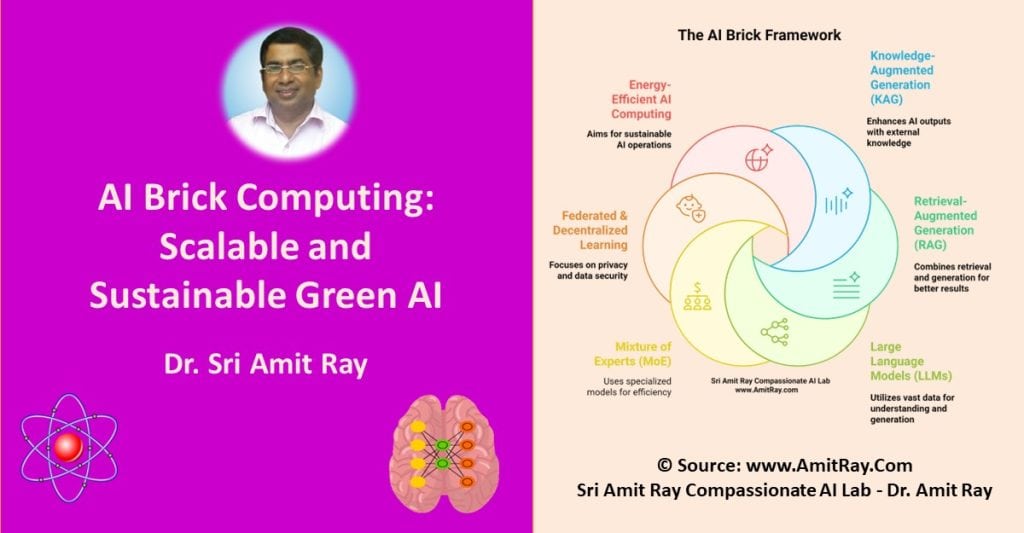
AI Brick Computing: Scalable and Sustainable Green AI
The recent craze for Data Center Free AI stems from growing concerns over the massive energy consumption, carbon footprint, and […]
The recent craze for Data Center Free AI stems from growing concerns over the massive energy consumption, carbon footprint, and […]
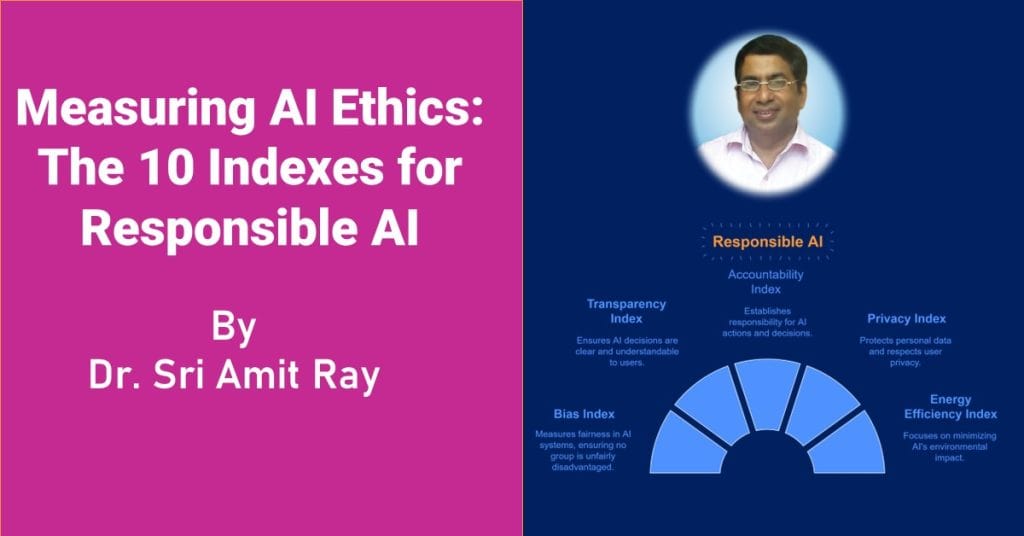
As AI technologies advance and infiltrate more aspects of our daily lives, they raise fundamental ethical questions about their impact […]
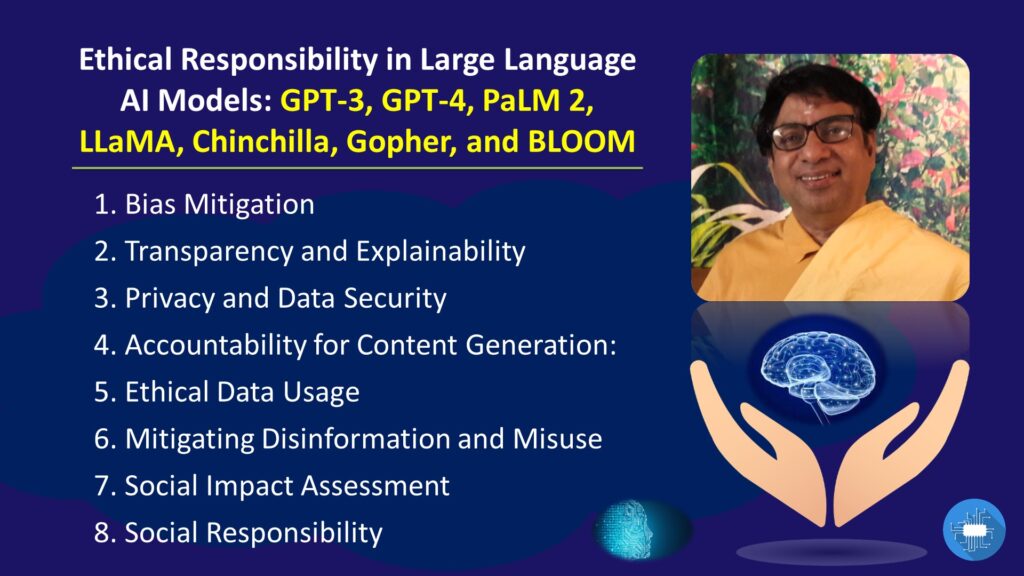
In this article, we explore the ethical considerations surrounding large language AI models, specifically focusing on notable models like GPT-3, GPT-4, PaLM 2, LLaMA, Chinchilla, Gopher, and BLOOM. If not carefully addressed now, the immense power and influence of these types of models can inadvertently promote biases and other chaos in the human society.
By critically examining the ethical implications of large language AI models, we aim to shed light on the importance of addressing these concerns proactively. These models possess the ability to generate vast amounts of text, which can significantly impact society and shape public opinion. However, if not appropriately managed, this power can amplify biases, reinforce stereotypes, and contribute to the spread of misinformation.
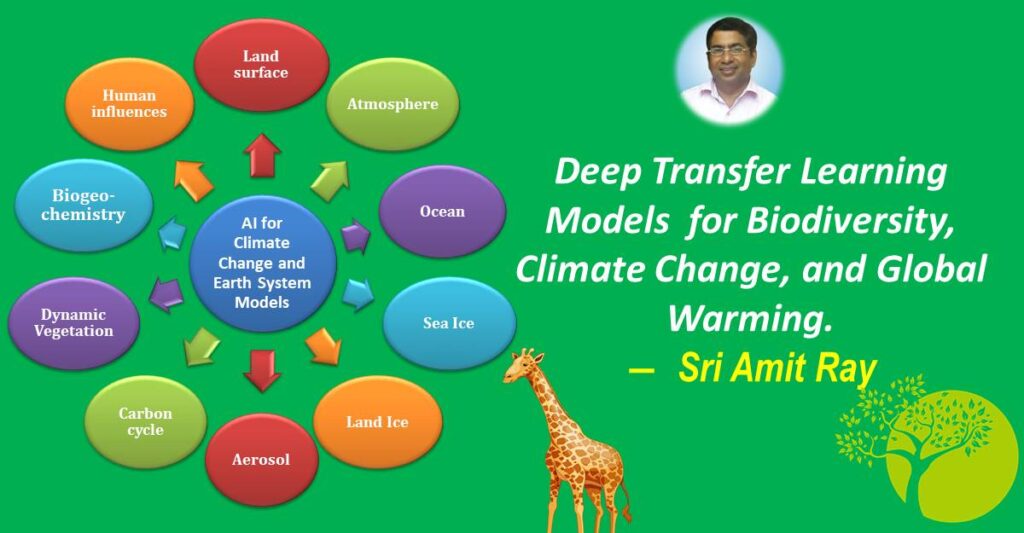
How to make an accurate prediction of climate change and greenhouse carbon emissions with artificial intelligence? We are experimenting with […]

What is Hadoop? | What is Hadoop Architecture? | HDFS Architecture | YARN Architecture | MapReduce | The Takeaway Do […]
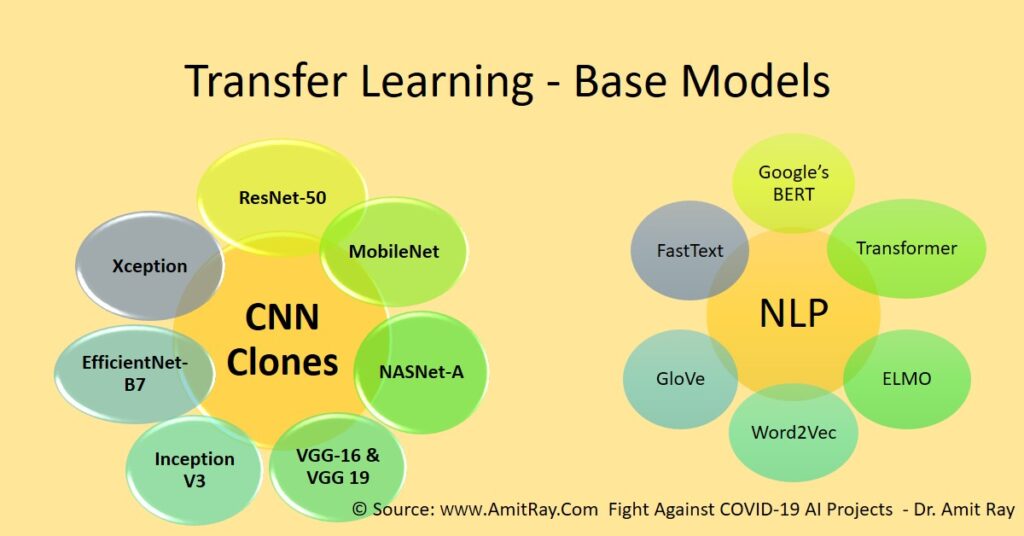
Transfer learning is a framework for machine learning that has become increasingly popular over the past few years. Though AI […]
Artificial Intelligence (AI) has provided remarkable capabilities and advances in image understanding, voice recognition, face recognition, pattern recognition, natural language […]
The seven top machine learning projects to fight against antimicrobial resistance are explained. Antimicrobial resistance is one of the key reasons of human sufferings in modern hospitals. Preventing microbes from developing resistance to drugs has become as important issue for treating illnesses across the world. Artificial Intelligence, machine learning, genomics and multi-omics data integration are the fast-growing emerging technologies to counter antimicrobial resistance problems. Here, Dr. Amit Ray explains how these technologies can be used in seven key areas to counter antimicrobial resistance issues.
The past present and future deep learning methods and approaches are reviewed. It covers both deep reinforcement learning and deep supervised and unsupervised learning techniques in both technical and historical perspective.
Balance control in elderly people is one of the key issues of old age. Artificial Intelligence can play a big […]